


Quick Answer
Roof repairs don’t make solar panels produce electricity longer. What they do is protect the roof, mounting points, and waterproofing underneath the panels, so you avoid leaks, hidden damage, and costly panel removal later.
Key Takeaways
- Roof life vs. panel life: Panels typically last 25-30 years. Asphalt shingles last about 20-30 years and metal roofs 40-50+, so the roof may wear out first.
- Leaks at mounting points: Failed flashing or seals around mounting hardware are a main way water gets in. Early repair stops damage to decking, insulation, and hardware.
- Hidden damage: Panels cover large roof areas, so problems underneath can go unnoticed until a leak shows up inside.
- Removal costs add up: If damage is under the array, panels may need to be disconnected, removed, reinstalled, and tested, which adds labor, coordination, and downtime. Localized repairs in accessible areas often don’t require removal.
- Before installing solar: Minor, isolated damage can usually be repaired. If the roof is widespread worn, leaking, or near end of life, replace it first so you don’t have to remove the array later.
- Who does what: Roofers handle roofing materials; qualified solar technicians handle wiring, mounting, and panel removal. Never disconnect wiring or loosen hardware yourself, and don’t climb up to inspect after storms.
- San Antonio factors: Heat, hail, wind, and heavy rain make annual inspections, plus checks after severe storms, especially worthwhile.
- Warranties: Solar, installation, and roofing warranties cover different things. Clarify who’s responsible for waterproofing at mounting points and who tests the system after reinstallation, and get findings in writing.
- Maintenance basics: Annual inspection, clear gutters, and check attic/ceilings for stains or damp insulation.
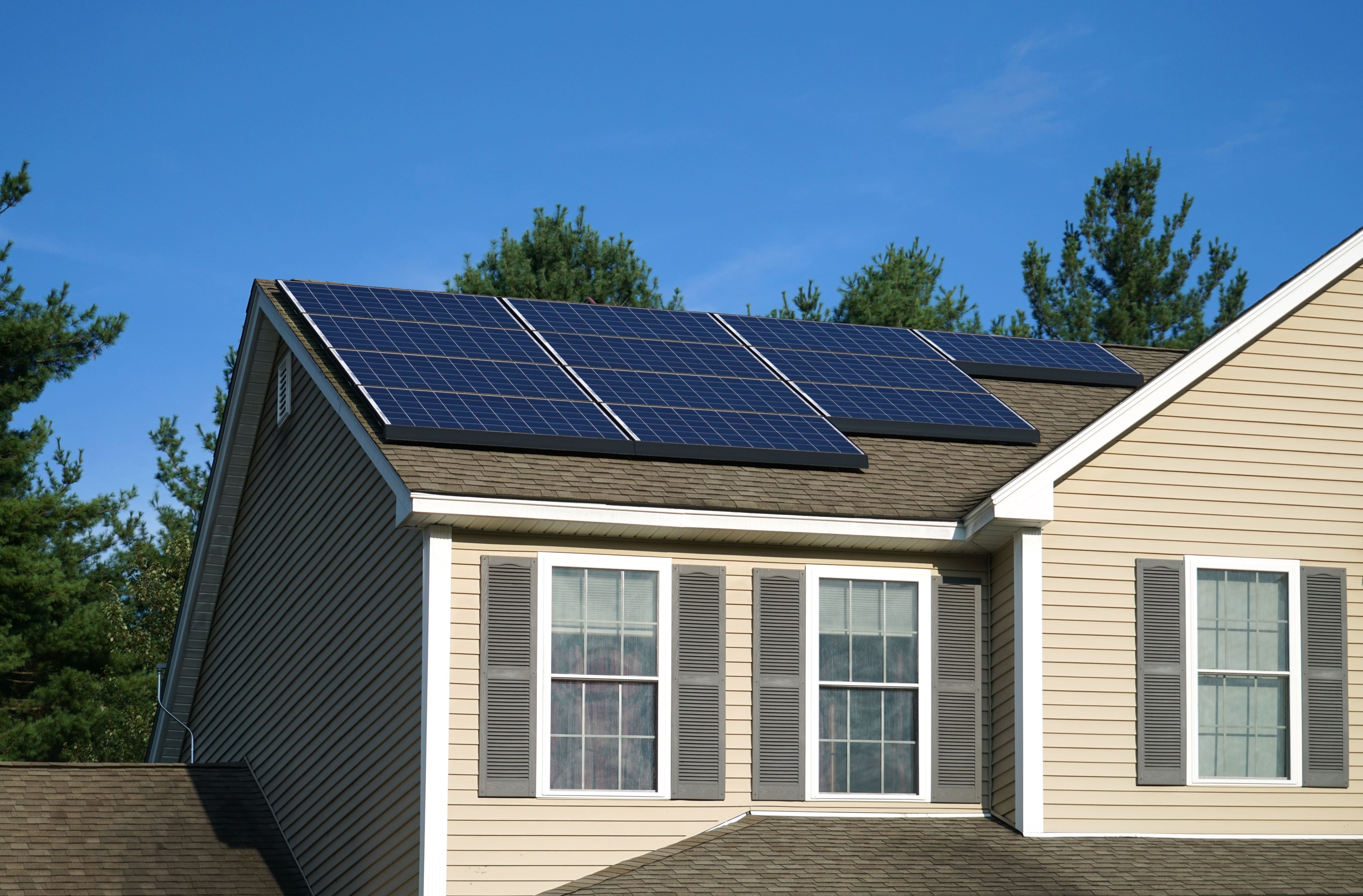
Solar panels can generate renewable energy for 25 years or longer, but will the roof underneath them last just as long? If your roofing materials are already showing signs of wear, a leaking roof or damaged flashing could threaten the structure supporting your solar investment.
Timely roof repair helps protect solar panels by preventing water damage, maintaining secure mounting areas, and addressing roofing problems before they require major repairs. Whether you have an existing rooftop solar system or plan to install solar panels, keeping your roof in good condition is essential.
For San Antonio homeowners, intense heat, hail, high winds, and seasonal storms make regular roof inspections particularly important. Understanding how roof repairs and solar panels work together can help you protect your property, avoid unnecessary disruptions, and support the long-term performance of your solar system.
Why Roof Repair Matters for Solar Panels
Your rooftop solar system depends on the existing roof system for support and protection. Although solar panels capture sunlight and convert it into electricity, the roofing materials, decking, flashing, and supporting structure beneath them must remain in good condition.
Solar panels commonly have performance warranties lasting around 25 years, and many systems can continue producing electricity beyond that period. However, the expected life of your roof depends on its materials, age, installation quality, and maintenance history.
For example, asphalt shingles may last 20 to 30 years under suitable conditions, while properly installed metal roofs can last 40 to 50 years or longer. These are general estimates, not guaranteed service lives, particularly in areas exposed to severe weather.
If your roof begins deteriorating before the solar panels reach the end of their useful life, you may need to remove and reinstall the panels to complete the roofing work.
Routine maintenance and timely roof repairs help you:
- Prevent roof leaks: Address damaged shingles, flashing, and sealed penetrations before moisture reaches the roof decking.
- Protect solar mounting hardware: Reduce moisture exposure around mounting feet, brackets, and other components.
- Avoid unnecessary solar removal: Fix accessible roofing problems before they become extensive.
- Maintain structural support: Identify damaged decking and underlying roofing components.
- Protect your investment: Support the roof's condition throughout the life of your rooftop solar system.
- Reduce future disruptions: Plan roof repairs or replacement before installing solar equipment whenever possible.
Roof repairs do not directly increase the electrical lifespan of solar panels. Instead, they protect the roofing structure that supports the system and help prevent avoidable moisture-related damage.
5 Ways Roof Repairs Can Extend the Life of Your Solar Roofing System
A well-maintained roof creates a more reliable foundation for solar equipment. Addressing small roofing problems early can reduce damage to surrounding components and make future maintenance easier.
1. Prevent Roof Leaks Around Solar Panel Mounting Points
Solar panel installation often involves securing mounting hardware to the roof structure. Depending on the rooftop solar system, installers may use a mounting foot, brackets, rails, and fasteners that pass through roofing materials. These roof penetrations require proper waterproofing to keep rainwater out.
Specialized flashing, compatible sealants, and manufacturer-approved sealing components, which may include rubber washers or gaskets, help protect mounting areas from moisture.
If flashing becomes loose or the waterproof seal fails, water may enter beneath the shingles. Over time, moisture can damage underlayment, roof decking, insulation, and nearby mounting components. Professional roof repairs can address damaged flashing and compromised roofing materials before leaks spread.
What homeowners should watch for:
- Water stains near areas beneath solar panels
- Damp attic insulation or decking
- Loose or deteriorated flashing
- Leaks that appear after heavy rain
- Visible damage around roof penetrations
If you suspect a leak near your solar installation, arrange a roofing inspection rather than attempting to adjust the panels or mounting hardware yourself.
2. Repair Damaged Shingles Before Water Reaches the Decking
Asphalt shingles protect the roof from rain, UV exposure, and everyday weather conditions. When shingles crack, curl, loosen, or go missing, the underlying roofing system becomes more vulnerable to water intrusion.
Solar panels may cover these damaged areas, making them difficult to identify during a routine visual check from the ground. For homes with an existing solar system, a roofing professional can assess accessible shingles and determine whether additional inspection is needed beneath the array.
Replacing damaged shingles and repairing affected underlayment can help prevent moisture from reaching the decking. This is especially important in San Antonio, where strong sunlight, high temperatures, hail, and wind can contribute to roofing material deterioration.
3. Protect Solar Mounting Hardware From Moisture Damage
Solar mounting systems are designed to support the panels and transfer their loads to the building's structure. However, mounting components can still be affected by damaged roofing materials, loose connections, or persistent moisture exposure.
Water intrusion around mounting penetrations may contribute to corrosion of susceptible hardware and deterioration of nearby structural materials. A professional inspection helps determine whether the problem involves roofing materials, mounting hardware, or both.
Roofers can address damaged roofing components, while qualified solar technicians should inspect brackets, rails, fasteners, and electrical connections when necessary. Proper coordination helps ensure that repairs protect the roof without compromising the solar installation.
4. Reduce the Need for Solar Panel Removal and Reinstallation
Roof repair with solar panels can be more complicated than repairing an uncovered roof.
When damage occurs beneath the array, the roofing team may not have direct access to the affected shingles, flashing, or decking. In these situations, solar panels often need to be temporarily removed before the repair can begin. That adds work to the project because qualified professionals must safely disconnect, remove, store, reinstall, and test the solar equipment.
Addressing roof damage early, especially before solar panel installation, can help avoid additional removal and reinstallation work later. Not every repair requires panel removal. If the affected area is accessible and the mounting system is undisturbed, a roofer may be able to complete localized repairs without removing the solar array.
5. Help Prevent Minor Roof Damage From Becoming a Full Replacement
A small roof leak may begin around one damaged shingle or a failed flashing connection. If water intrusion continues, it can spread to nearby materials and affect larger sections of the roofing system. Early repairs can help preserve serviceable roofing materials and reduce the likelihood of further damage.
However, if a roof has extensive deterioration, recurring leaks, or compromised decking, a full replacement may be more appropriate than continued repairs. The right solution depends on the roof's condition, not simply whether solar panels are installed.
Should You Repair or Replace Your Roof Before Installing Solar Panels?

If you're planning a new solar panel installation, inspecting the roof beforehand is one of the most important steps.
A rooftop solar system is a long-term addition to your home. Installing it over roofing materials that are nearing the end of their useful life may create avoidable work later.
When Roof Repairs May Be Enough
Minor roof repairs may be sufficient when the existing roof is otherwise in good condition.
Examples include:
- Replacing a few missing or damaged shingles
- Repairing flashing around vents or chimneys
- Correcting localized leaks
- Replacing damaged underlayment in a limited area
- Addressing small areas of storm damage
Before you install solar panels, ask a roofing professional to assess the roof's age, remaining service life, and condition.
A sound roof with isolated damage may not need a complete replacement.
When a New Roof May Be the Better Option
Replacing the roof before solar installation may make sense when the existing roof has widespread shingle deterioration, multiple leaks, extensive storm damage, or significant wear. A full roof replacement may also be worth considering if the roofing system is approaching the end of its expected service life.
If you install solar panels first and later need to re-roof your home, the array may have to be removed and reinstalled. This adds labor, coordination, and potential system downtime to the replacement process.
For homeowners considering a solar project, coordinating a new roof installation before solar equipment goes up can simplify long-term maintenance and future planning. Cloud Roofing can help assess an aging roof and explain available roof replacement options before your solar installation begins.
How Does Roof Repair Work With Solar Panels Already Installed?
Repairing an existing roof system with solar panels requires a careful process. The roofing team must identify the damage, determine whether the array affects access, and coordinate with qualified solar professionals when equipment needs to be moved.
Step 1: Schedule a Thorough Roof Inspection
The process begins with a professional inspection to assess roof leaks, damaged shingles, flashing, and the visible condition of roofing components around the solar panels.
The roofer should identify whether the problem involves an accessible section of the roof or an area covered by the solar system. Where possible, inspection photos can help homeowners understand the damage and proposed repair work.
Step 2: Assess the Solar Panels and Mounting Hardware
If roof damage is located beneath the array, the roofing contractor and solar installer should determine whether panels need to be removed. A qualified solar professional should assess mounting components, electrical connections, and any damage affecting the system.
This coordination is important because solar panels can continue generating electrical power when exposed to light, even when parts of a system have been shut down.
Homeowners should never disconnect solar wiring or loosen mounting hardware themselves.
Step 3: Temporarily Remove Solar Panels if Needed
When the repair area cannot be accessed safely, the solar installer may need to remove some or all of the panels. The removal process depends on the solar system's design, mounting hardware, and location of the roofing damage.
The roofing and solar teams should agree on their responsibilities before work begins to avoid confusion over access, flashing, and reinstallation.
Step 4: Complete the Roof Repairs
Once the damaged area is accessible, the roofing contractor can perform the necessary work.
This may include:
- Replacing damaged shingles or other roofing materials
- Repairing or replacing flashing
- Addressing compromised underlayment
- Repairing deteriorated decking when needed
- Restoring waterproofing around roof penetrations
- Correcting accessible sources of roof leaks
The exact scope should be determined by the inspection findings and documented in the repair estimate.
Step 5: Reinstall Solar Panels and Test the System
After the roofing work is complete, qualified solar professionals can reinstall the panels and mounting components. The solar team should inspect relevant hardware, verify electrical connections, and complete appropriate testing to confirm the system can operate safely.
The roofing contractor should also complete a final inspection of the repaired areas and waterproofing details. Testing after reinstallation is important because roofing repairs alone cannot confirm that the solar electrical system is functioning properly.
Common Roof Problems Around Solar Panels After San Antonio Storms
San Antonio homeowners face roofing challenges from intense summer heat, strong winds, hailstorms, and heavy rainfall.
After severe weather, solar panels may appear undamaged while the surrounding roofing materials have been affected.
Hail Damage to Shingles and Solar Equipment
Hail can damage exposed asphalt shingles, metal flashing, gutters, and other roofing components. Even if the solar panel glass appears intact, nearby shingles may have lost protective granules or developed cracks.
A professional roof inspection can assess visible storm damage and determine whether roofing repairs are needed. If solar equipment has visible impact damage, a qualified solar technician should examine the affected components.
Wind Damage Around Solar Arrays
High winds can lift shingles, loosen flashing, and damage roofing materials around solar installations.
Wind-related movement or damage involving mounting hardware also requires assessment by the solar installer. Avoid climbing onto the roof to inspect loose components after a storm. Damaged roofing, electrical equipment, and unstable mounting hardware can create serious safety hazards.
Failed Flashing and Roof Penetrations
Flashing helps direct water away from areas where roofing materials meet mounting hardware, vents, chimneys, and other roof features.
When flashing is damaged or improperly installed, heavy rain may penetrate the roof assembly. Roof repairs should address the source of water intrusion and restore suitable waterproofing rather than relying on temporary surface sealant alone.
Hidden Water Damage Beneath Solar Panels
Solar arrays cover portions of the roof, which can make underlying damage difficult to see.
Water entering through damaged shingles or mounting penetrations may affect the decking, insulation, and interior ceilings before a leak becomes obvious. An inspection after significant hail or wind damage can help identify roofing concerns that may otherwise go unnoticed.
Cloud Roofing offers roofing inspections and assistance with hail damage and wind damage repair in San Antonio.
How Roof Maintenance Protects Solar Panels Over Time
Regular roof maintenance is important for homeowners who want to protect both their roofing system and solar investment.
Although solar panels can help generate renewable energy and potentially reduce energy bills, damaged roofing materials can create unexpected repair needs that interrupt the benefits of a rooftop solar system. A practical maintenance approach helps homeowners recognize problems before they become more extensive.
Schedule Regular Roof Inspections
An annual roof inspection can help identify aging shingles, damaged flashing, drainage problems, and other roofing issues.
Additional inspections are worth considering after severe hail, high winds, or storms that may have affected the roof. For homes with solar installed, the inspection should account for accessible roof areas and any visible concerns around mounting points.
Keep Gutters and Drainage Areas Clear
Clogged gutters can cause rainwater to overflow or collect near vulnerable roofing areas. Regular gutter cleaning helps maintain drainage and reduce unnecessary moisture exposure around the roof's edges.
Homeowners should also watch for debris buildup near accessible roof features, without attempting to reach beneath solar panels.
Monitor Roof Leaks and Interior Warning Signs
Check accessible attic spaces and ceilings for stains, damp insulation, or unexpected moisture after storms.
A water stain does not always identify the exact location of a roof leak because water may travel along decking or structural components before becoming visible. Professional inspection is often necessary to identify the actual entry point.
Maintain Solar Equipment Through Qualified Professionals
Solar panel maintenance and roofing maintenance should be coordinated when the work affects both systems.
A solar professional should inspect damaged wiring, mounting brackets, connectors, and panel components. Roofing professionals should handle the roofing materials and repairs within their scope of work. This division of responsibilities helps protect the roof and solar equipment without introducing avoidable safety risks.
Roof Repairs, Solar Panels, and Warranty Protection
Before starting roof repairs on a property with solar panels, review the warranties and installation agreements for both systems.
Solar panel manufacturers often offer long-term performance warranties, commonly around 25 years, but terms vary by manufacturer and product. Equipment warranties, installation workmanship warranties, and roofing warranties may cover different issues.
For example, a solar panel warranty may address qualifying equipment defects without covering a roof leak caused by damaged flashing. A roofing workmanship warranty may also contain conditions related to modifications or roof penetrations completed by separate contractors.
Before approving repairs, ask:
- Who is responsible for waterproofing around solar mounting points?
- Does removing or reinstalling panels affect the solar warranty?
- Which contractor is responsible for any damaged roofing materials?
- Are the proposed roof repairs covered by an existing roofing warranty?
- Who will test the solar system after reinstallation?
- Will inspection findings and repair details be provided in writing?
Keep all roofing and solar installation paperwork together, including inspection reports, photographs, warranties, and repair documentation. Clear responsibilities and written records can help homeowners manage future maintenance and warranty questions.
Frequently Asked Questions About Roof Repair and Solar Panels
Can You Repair a Roof Without Removing Solar Panels?
Yes. Some roof repairs can be completed without removing solar panels when the damaged area is accessible. However, roofing work directly beneath the array or around certain mounting penetrations may require qualified solar professionals to temporarily remove and reinstall panels.
Do Solar Panels Cause Roof Leaks?
Properly installed solar panels should not automatically cause roof leaks. However, damaged flashing, improperly sealed penetrations, deteriorated shingles, or issues with mounting hardware can allow water to enter the roofing system. A professional inspection can help determine the source of the leak.
How Long Do Solar Panels Last on a Roof?
Solar panels commonly have an expected operating life of 25 to 30 years, and some may continue producing electricity beyond that period. Actual performance depends on equipment quality, installation, environmental conditions, and maintenance.
Should I Replace My Roof Before Installing Solar Panels?
Consider replacing an older roof before solar installation if it has widespread deterioration, recurring leaks, or limited remaining service life. A professional inspection can help determine whether targeted repairs are sufficient or whether full replacement is more practical.
Can Solar Panels Be Reinstalled After a Roof Replacement?
Yes. Solar panels can often be removed and reinstalled after a roof replacement when the equipment remains suitable for reuse. Qualified solar professionals should handle disconnection, removal, reinstallation, and electrical safety testing.
Can Roof Damage Affect Solar Panel Performance?
Roof damage does not necessarily reduce electricity generation directly. However, damaged mounting components, moisture exposure, or roofing problems requiring panel removal can interrupt system operation or create conditions that affect solar equipment.
How Much Does Roof Repair With Solar Panels Cost?
The scope of roofing work depends on the damage, roofing materials, and whether panels must be temporarily removed. Repairs beneath a solar array may require additional coordination and labor. A roofing inspection and a separate solar contractor assessment, when needed, can help establish the required work.
Who Should Handle Roof Repairs Around Solar Panels?
A professional roofing contractor should evaluate and repair roofing materials, while qualified solar professionals should handle solar electrical components and equipment removal or reinstallation. Both teams should coordinate when repairs affect mounting penetrations, flashing, or covered roofing areas.
Will Roof Repairs Extend the Life of My Solar Panels?
Roof repairs can help protect the structure, mounting areas, and waterproofing that support solar panels. They do not guarantee a longer electrical lifespan for the panels, but addressing leaks and roofing damage early can reduce the risk of moisture-related problems and avoidable interruptions.
Protect Your Roof and Solar Investment With Cloud Roofing
Your solar panels may provide renewable energy for decades, but they need a sound roof beneath them. Missing shingles, damaged flashing, roof leaks, and aging materials can compromise that protection and complicate future solar maintenance.
Cloud Roofing has served San Antonio homeowners since 1975, providing roof inspections, roof repairs, and replacements with clear recommendations and quality workmanship. Whether your home already has solar panels or you're preparing for a rooftop solar installation, our team can help you understand the condition of your roof and the roofing repairs it may need.
Schedule your free roof inspection or call (210) 366-9484 to discuss your roofing needs with Cloud Roofing.