


Quick Answer
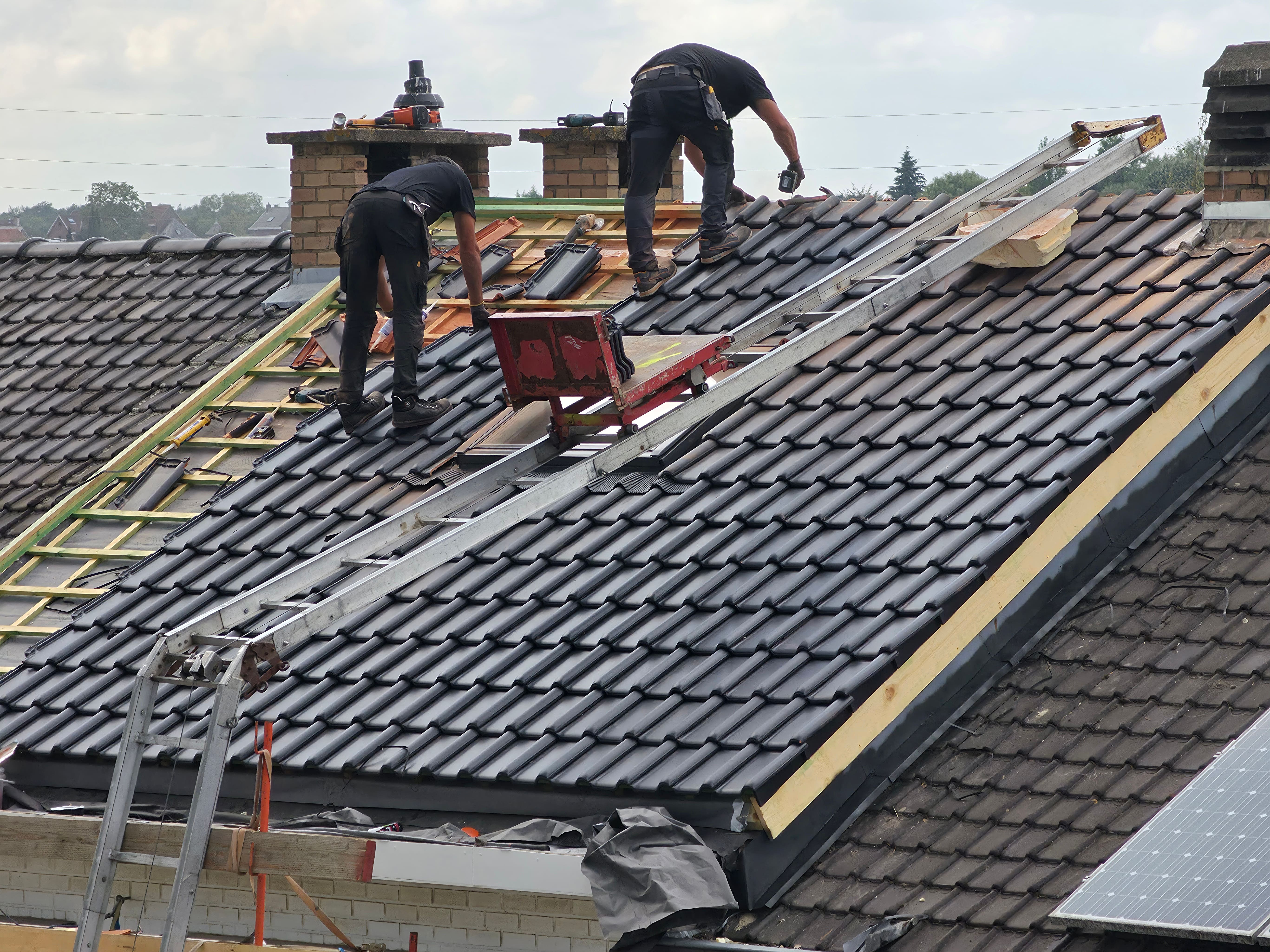
Neither roof type automatically offers better value. Flat roofs suit commercial buildings and modern designs that need space for equipment or solar panels. Pitched roofs shed water naturally, offer more material choices, and can create attic space. For most replacements, keeping the existing roof shape is the more practical and affordable route, and material choice and installation quality matter more than shape.
Key Takeaways
- Material beats shape for lifespan: A quality metal or slate pitched roof can last decades, but asphalt shingles (15-30 years) are similar to some flat membranes. Metal runs 40-70 years and slate 50+.
- Drainage is the big difference: Flat roofs depend on proper slope, drains, and maintenance to avoid ponding. Pitched roofs shed water on their own, though clogged gutters and failed flashing can still cause leaks.
- Flat roofs don’t automatically leak: A well-installed membrane (TPO, EPDM, modified bitumen, or BUR) can be reliable. Problems usually come from drainage and seams.
- Cost isn’t one-size-fits-all: Flat roofs may cost less upfront on some buildings. Pitched roofs have more surface area and complex framing. Compare written estimates, not price per square foot.
- Maintenance differs: Flat roofs need more frequent checks of drains, seams, and ponding, and commercial roofs may need inspections twice a year. Pitched roofs need annual checks of shingles, flashing, and gutters.
- San Antonio weather: Hail, wind, heat, and heavy rain affect both types. Inspect after major storms either way.
- Usable space: Flat roofs can hold HVAC equipment and solar panels. Rooftop gardens or living space require structural design and approval. Pitched roofs can give you attic space.
- Changing roof shape is a major project: Converting flat to pitched means new framing, engineering, permits, and drainage changes, so it’s rarely worth it for a simple replacement.
When it’s time to replace your roof, should you stick with a flat roof or choose a pitched design? The answer involves more than appearance or initial installation cost. Your roof’s slope affects drainage, roofing materials, maintenance needs, usable space, and long-term weather protection.
In the flat vs. pitched roof replacement debate, neither design automatically offers better value. Flat roofs can be practical for commercial buildings and modern homes that need space for HVAC equipment or solar panels. Pitched roofs naturally shed rainwater, offer a wide selection of roofing materials, and may create additional attic space.
For property owners in San Antonio, the best choice also depends on how each roof type handles intense sunlight, heavy rain, hail, and high winds. Understanding the differences between flat and pitched roofs can help you evaluate replacement options based on your property’s existing structure, maintenance expectations, and long-term investment.
Flat vs. Pitched Roof Replacement: Key Differences at a Glance
Flat and pitched roofs serve the same purpose, but their design, materials, and maintenance requirements differ.
Roof shape
- Flat roof: Nearly flat surface with a slight slope for drainage
- Pitched roof: Noticeable sloped surfaces that direct water downward
Common buildings
- Flat roof: Commercial buildings, modern homes, and additions
- Pitched roof: Traditional residential properties and some commercial buildings
Roofing materials
- Flat roof: TPO, EPDM, modified bitumen, built-up roofing
- Pitched roof: Asphalt shingles, metal roofing, slate
Drainage
- Flat roof: Relies on proper slope design, drains, scuppers, and gutters
- Pitched roof: Uses sloped surfaces to shed water toward gutters
Installation cost
- Flat roof: May have lower upfront costs on certain buildings
- Pitched roof: Can involve more materials and complex framing
Maintenance
- Flat roof: Requires close attention to seams, drainage, and ponding water
- Pitched roof: Requires inspection of shingles, flashing, and gutters
Roof lifespan
- Flat roof: Depends on membrane type, installation, and maintenance
- Pitched roof: Depends on shingle, metal, slate, or other roofing materials
Usable space
- Flat roof: Can accommodate rooftop equipment and specially designed outdoor areas
- Pitched roof: Can create attic space beneath the roof
Architectural appearance
- Flat roof: Clean lines suited to modern architectural styles
- Pitched roof: Classic appearance with various roof shapes and slopes
The right roof replacement depends on the existing building design, not simply which roof style looks better or has a lower advertised price.
What Is a Flat Roof?
A flat roof is a roofing system with a low slope that allows water to move toward designated drainage points. Despite the name, a properly designed flat roof is not completely level.
Flat roofs typically have a slight slope, with many low-slope assemblies designed around a drainage slope of approximately one-quarter inch per foot. Exact minimum slope requirements depend on the roofing system, roof design, and applicable building codes.
This roof style is common on office buildings, shopping centers, warehouses, and other commercial buildings. Flat roofing also appears on residential additions and homes featuring modern architecture.
Common Flat Roofing Materials
Modern flat roof systems use specialized waterproof membranes rather than conventional asphalt shingles.
Thermoplastic Polyolefin (TPO)
TPO is a single-ply roofing membrane commonly installed on large commercial roof surfaces. Its light-colored, reflective surface can help reduce solar heat absorption, while heat-welded seams create a continuous connection between membrane sheets.
Ethylene Propylene Diene Monomer (EPDM)
EPDM is a synthetic rubber roofing membrane known for flexibility and resistance to weather exposure. It is commonly used on low-slope commercial roofing systems.
Modified Bitumen
Modified bitumen combines asphalt-based materials with reinforcing components to create a flexible, multilayer roofing system. It is often used on commercial buildings with low-slope roofs.
Built-Up Roofing (BUR)
Built-up roofing uses multiple layers of bitumen and reinforcing materials to form a protective roofing assembly. It is a traditional option for flat and low-slope commercial buildings.
Cloud Roofing works with these systems as part of its flat roofing installation services in San Antonio.
What Is a Pitched Roof?
A pitched roof has a noticeable slope that allows rainwater to move down the roof surface toward gutters and drainage areas.
Pitched roofs are common in residential construction, including traditional homes, ranch-style properties, and buildings with gable or hip roof designs.
The roof's slope can vary from relatively shallow to steep, depending on architectural style, roofing materials, and structural requirements.
Unlike most flat roof membranes, pitched roofing materials often consist of individual shingles or panels designed to shed water through overlapping or interlocking components.
Common Pitched Roofing Materials
Asphalt Shingles
Asphalt shingles are widely used on residential roofs because of their versatility, appearance, and relatively accessible installation requirements.
Asphalt shingles typically last approximately 15 to 30 years, depending on the product, installation quality, maintenance, and weather exposure.
Metal Roofing
Metal roofing can be installed on residential and commercial pitched roofs. Standing seam metal panels create raised seams that help direct water down the roof surface.
Metal roofs typically last approximately 40 to 70 years, although their actual lifespan depends on the material, installation quality, and environmental conditions.
Slate Roofing
Slate is a natural stone roofing material known for its durability and traditional architectural appearance. With proper installation and maintenance, slate roofs can last more than 50 years.
Pitched roofing materials must be matched to the roof's slope, supporting structure, and installation requirements. Not every product is suitable for every roof design.
Flat Roof Pros and Cons
Flat roofs offer several advantages, particularly for commercial buildings and modern residential properties.
Advantages of Flat Roofs
1. Practical Roof Space
Flat roofs offer usable roof surface area for equipment and, where specifically designed and approved, rooftop gardens or outdoor space.
Commercial buildings often use flat surfaces to accommodate HVAC equipment, ventilation systems, and other rooftop components.
2. Modern Architectural Appearance
The clean lines of flat roofs complement contemporary architectural styles and modern building designs. This roof shape can help create a streamlined exterior without prominent sloped roofing surfaces.
3. Potentially Simpler Installation
On certain buildings, flat roof installation may involve less complex geometry than a steep pitched roof.
However, membrane installation, insulation, drainage, flashing, and roof penetrations still require careful planning and proper workmanship.
4. Accessibility for Maintenance
A low-slope roof may provide easier access for authorized professionals inspecting rooftop equipment, drains, and roofing components.
Access does not eliminate fall hazards, and property owners should not assume a flat roof is safe to walk on without appropriate precautions.
Disadvantages of Flat Roofs
1. Greater Sensitivity to Drainage Problems
Standing water is one of the main concerns with flat roofing. When drains become blocked or the roof lacks proper slope design, water may remain on the surface longer than intended.
2. More Frequent Drainage Inspections
Flat roofs often require more frequent inspections and attention to drains, seams, and rooftop penetrations. Regular maintenance is especially important after storms or periods of heavy rainfall.
3. Membrane Damage and Ponding Risks
Foot traffic, rooftop equipment, UV exposure, and weather conditions can affect roofing membranes over time.
If damage develops near seams or penetrations, water may enter the underlying roof assembly. The most important factor is proper installation and drainage, not simply the fact that the roof is flat.
Pitched Roof Pros and Cons
Pitched roofs offer a different combination of drainage performance, appearance, and interior space.
Advantages of Pitched Roofs
1. Natural Water Drainage
The sloped design helps rainwater move down the roof surface rather than remain in one area.
This can reduce the likelihood of standing water when the roof and gutter system are functioning properly.
2. Multiple Roofing Material Options
Pitched roofs support a wide selection of materials, including asphalt shingles, metal panels, and slate.
Each material has different maintenance requirements, weather performance, and expected service life.
3. Potential Attic Space
A pitched roof can create attic space between the roof structure and the ceiling below.
Depending on the building design, this area may provide room for insulation, ventilation, or storage. Whether it can be used for storage depends on the structure and applicable requirements.
4. Traditional Curb Appeal
Pitched roofs complement many residential architectural styles and can provide a familiar appearance for San Antonio homes.
Disadvantages of Pitched Roofs
1. More Complex Roof Geometry
Steep slopes, multiple valleys, dormers, and other features can increase installation complexity. These factors may affect material quantities, labor, roof access, and the final cost of replacement.
2. Maintenance Access Can Be Difficult
Steep roofs can be more challenging to inspect or repair safely. Professional equipment and appropriate safety precautions are particularly important.
3. Weather Damage Is Still Possible
Although pitched roofs shed water effectively, they remain vulnerable to hail impact, wind-damaged shingles, deteriorated flashing, and roof leaks.
A pitched design does not eliminate the need for regular roof maintenance.
Flat Roof Cost vs. Pitched Roof Cost: Which Is More Affordable?
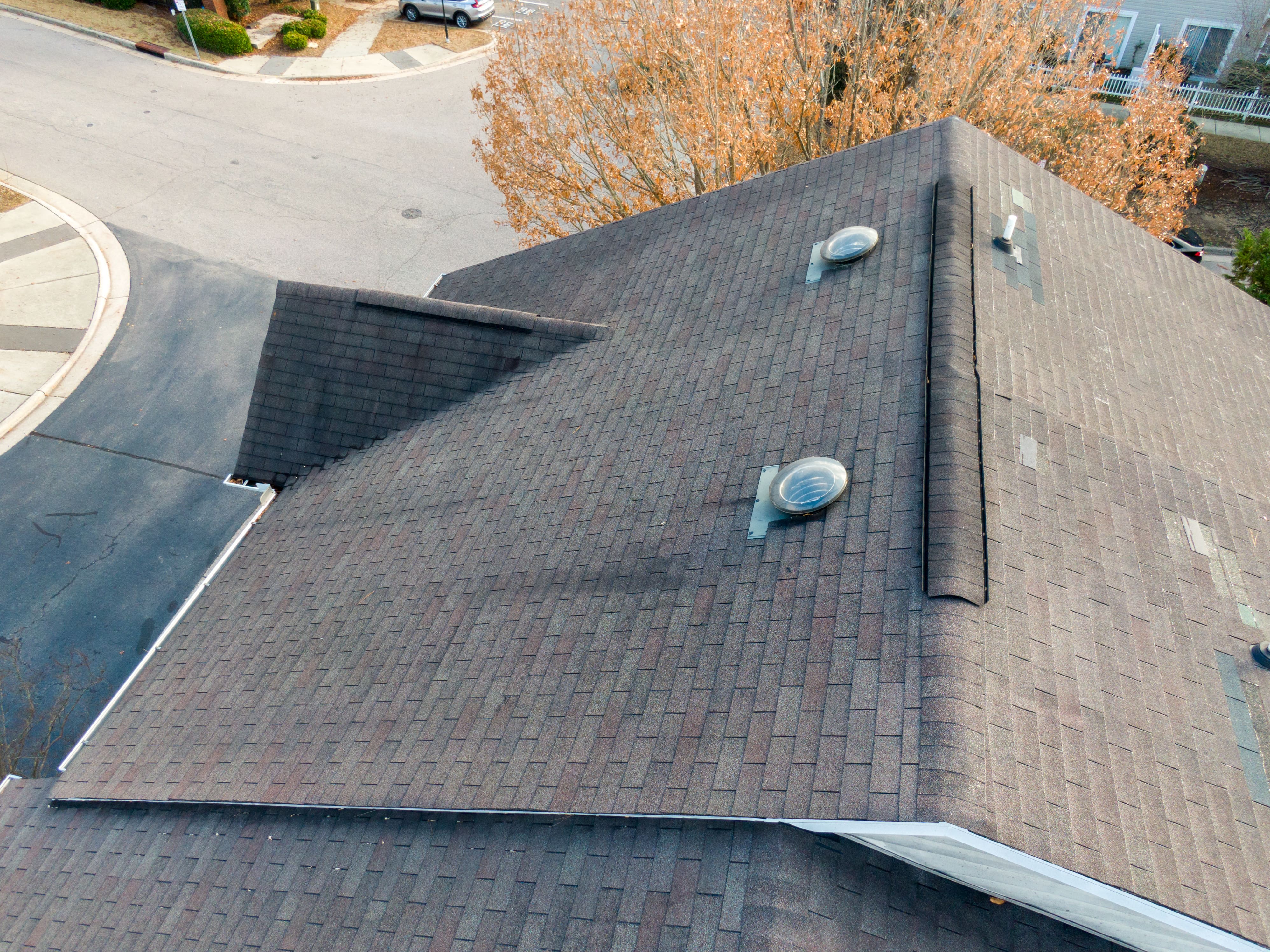
When comparing flat roof cost vs. pitched roof cost, homeowners and commercial property owners should consider the complete roofing system instead of focusing only on installation cost.
Flat roofs may have lower upfront costs on certain buildings because of their straightforward geometry. However, membrane systems, insulation, drainage, equipment access, and detailing around penetrations can influence the final cost.
Pitched roof cost depends on roofing materials, roof pitch, complexity, and the amount of roof surface that needs coverage.
What Affects Flat Roof Installation Cost?
Important factors include:
- Type and quality of flat roof membranes
- Roof size and surface condition
- Insulation and underlying decking
- Proper drainage systems
- Number of roof penetrations
- Rooftop HVAC equipment and accessibility
- Existing roof removal requirements
- Flashing and waterproofing details
Commercial flat roof replacement may involve additional work if trapped moisture or damaged insulation is discovered.
What Affects Pitched Roof Replacement Cost?
Pitched roofing costs depend on:
- Asphalt shingles, slate, or metal roofing materials
- Roof pitch and overall shape
- Number of valleys, ridges, and roof penetrations
- Total roof surface area
- Existing decking condition
- Installation access and safety requirements
- Ventilation and underlayment needs
A pitched roof may require more material than a flat roof covering the same building footprint because its sloped surfaces increase the total roof area.
That does not mean every pitched roof is more expensive. Material selection and construction details can outweigh differences in roof shape.
Why Price Per Square Foot Doesn't Tell the Whole Story
Two roofing projects with the same footprint may require different material quantities, drainage details, installation methods, and maintenance.
The most useful comparison is a written estimate that clearly identifies the complete scope of work. For property owners in San Antonio, Cloud Roofing provides free roof inspections and quotes to help explain the roofing materials and replacement requirements involved in a project.
Flat vs. Pitched Roof Lifespan: Which Lasts Longer?
Roof lifespan depends heavily on the materials used, installation quality, maintenance, and local climate. It is misleading to assume that all flat roofs have a shorter lifespan or that all pitched roofs last longer.
For example, a well-maintained flat roofing membrane may outlast a poorly installed asphalt shingle roof, while a quality metal pitched roof can provide several decades of service.
Our roofing guides provide the following general ranges:
- TPO flat roofing: Approximately 15 to 25 years
- Modified bitumen: Approximately 15 to 25 years
- EPDM flat roofing: Approximately 20 to 30 years or longer
- Built-up roofing: Approximately 15 to 30 years
- Asphalt shingles: Approximately 15 to 30 years
- Metal roofing: Approximately 40 to 70 years
- Slate roofing: Approximately 50 years to more than 100 years, depending on the material and conditions
These are planning ranges, not guarantees. The roofing assembly, weather exposure, product specifications, and maintenance history determine how long a particular roof performs.
Do Pitched Roofs Have a Longer Lifespan?
Pitched roofs can offer a longer lifespan when durable materials such as metal or slate are used.
However, a pitched roof covered with asphalt shingles may have a similar expected lifespan to certain flat roof membrane systems. The material matters more than roof shape alone.
Why Maintenance Changes the Comparison
Flat roofs require attention to ponding water, drains, seams, and membrane damage.
Pitched roofs require inspections for missing shingles, damaged flashing, deteriorated sealants, and gutter problems. Both roof types benefit from timely minor repairs and regular professional inspections.
Flat vs. Pitched Roof Drainage: Which Handles Heavy Rain Better?
Drainage is one of the biggest differences between flat and pitched roofing systems.
In San Antonio, where heavy downpours can follow periods of intense heat, proper drainage helps protect the roof structure and building interior.
How Flat Roof Drainage Works
Flat roofs use a slight slope to direct water toward drains, scuppers, or gutters. Proper slope design, correctly positioned drainage components, and regular maintenance are essential.
When water cannot drain efficiently, standing water may remain on the roof surface. Persistent ponding can place additional stress on roofing materials and increase the consequences of damaged seams, flashing, or penetrations.
Flat roofs do not automatically leak. A properly designed and installed membrane system can provide reliable weather protection, but drainage problems must be addressed promptly.
How Pitched Roof Drainage Works
Pitched roofs use sloped surfaces to shed water toward the roof edges. Water moves over shingles, metal panels, or other roofing materials and enters the gutter system.
This design reduces prolonged water accumulation on the main roof surface, although clogged gutters, damaged valleys, and compromised flashing can still cause leaks. Regular gutter cleaning and inspections remain important for pitched roofs.
Which Roof Handles San Antonio Heat, Hail, and Storms Better?
Weather performance is another important consideration when comparing flat and pitched roofs.
San Antonio's climate exposes roofing materials to strong sunlight, seasonal temperature changes, hail, high winds, and heavy rainfall.
Extreme Heat and Energy Efficiency
Modern flat roof systems, including light-colored TPO membranes and compatible cool roof coatings, can reflect a portion of incoming sunlight.
Reflective surfaces may help reduce roof heat absorption, but actual energy efficiency depends on insulation, building design, ventilation, and other factors.
Pitched roofs can also support energy-efficient materials, including reflective metal roofing and suitable roofing underlayment. Attic ventilation and insulation may influence indoor comfort on buildings with pitched roofs. Neither design automatically guarantees lower energy bills.
Hail and High Winds
Hail can damage asphalt shingles, metal roofing, slate, and flat roof membranes. The extent of damage depends on hail size, roofing material, installation, and roof condition.
High winds can affect shingles, metal panels, flashing, and membrane edges, making proper installation essential for both roof types.
Property owners should schedule an inspection after significant storms when there is reason to suspect damage.
Roof Maintenance After Severe Weather
For flat roofs, inspections should pay particular attention to membranes, seams, drains, and rooftop equipment. For pitched roofs, inspectors should examine shingles, flashing, roof valleys, and gutters.
Prompt repairs can help prevent weather-related damage from spreading through the roofing system.
Flat vs. Pitched Roof Maintenance: What Should Property Owners Expect?
Long-term maintenance is an important part of the value comparison.
Flat and pitched roofs require different maintenance tasks, and the roof's condition, age, and surrounding environment determine how frequently service is needed.
Flat Roof Maintenance Needs
Flat roofs often benefit from more frequent inspections because drainage and membrane performance are closely connected.
Common maintenance tasks include:
- Clearing debris from drains, scuppers, and gutters
- Checking for standing water after heavy rain
- Inspecting membrane seams and flashing
- Evaluating rooftop penetrations and HVAC equipment areas
- Identifying punctures or damaged membrane sections
- Completing minor repairs before leaks spread
Commercial flat roofs may benefit from inspections twice a year and after major storms, depending on the roofing system, warranty requirements, and site conditions.
Pitched Roof Maintenance Needs
Pitched roofs also require regular inspections, even though their slopes help shed rainwater.
Maintenance commonly involves:
- Checking for missing, cracked, or curling shingles
- Inspecting metal panels and flashing
- Clearing gutters and downspouts
- Evaluating roof valleys and penetrations
- Checking attic spaces for moisture or ventilation issues
- Repairing localized storm damage
An annual professional inspection is a useful maintenance consideration for many residential properties, with additional checks after severe weather.
The best maintenance schedule is the one appropriate for your roof system, rather than a fixed rule based only on its shape.
Can Flat Roofs Provide More Usable Space?
Flat roofs offer design flexibility that pitched roofs may not provide in the same way.
For commercial buildings, a low-slope roof surface can accommodate HVAC equipment, ventilation components, and certain solar panel installations. Some residential properties also incorporate rooftop gardens, terraces, or outdoor seating areas into a flat roof design.
However, usable outdoor space is not automatically available on every flat roof.
A roof intended for people, planters, or additional equipment must be designed and approved for the required structural loads, waterproofing, drainage, access, and safety provisions. Pitched roofs generally offer less accessible rooftop space, but their geometry can create attic space beneath the roof.
For property owners, the value of additional usable space depends on the building's original design and whether modifications are structurally and legally feasible.
Should You Change From a Flat Roof to a Pitched Roof During Replacement?
In most roof replacement projects, maintaining the existing roof shape is the more straightforward option. Changing a flat roof to a pitched roof is usually more involved than selecting different roofing materials.
Why Changing Roof Shape Is a Major Project
Converting a flat roof into a pitched roof generally requires new framing or structural modifications to create the desired roof slope.
The project may also involve:
- Structural engineering and load evaluation
- New roof framing or supporting components
- Changes to drainage and gutter placement
- Adjustments to rooftop HVAC equipment
- Modifications to flashing and roof penetrations
- Permits and applicable building code requirements
- Changes to the building's appearance and height
These requirements can substantially alter the project's scope and timeline.
When Keeping the Existing Roof Type Makes More Sense
If the current roof structure remains suitable, replacing the worn roofing system without changing the building's shape is often more practical.
A flat roof may receive a new compatible membrane system, while a pitched roof may be replaced with shingles, metal panels, or another material appropriate for its slope.
Before considering a major roof redesign, ask a qualified roofing professional and structural designer to assess the building. Cloud Roofing can evaluate your existing roof and discuss roof replacement services appropriate to the property.
Which Offers Better Long-Term Value: Flat or Pitched Roof Replacement?
The best way to compare flat vs. pitched roof replacement is to evaluate the total investment over the expected service life of the roofing system.
A lower installation cost does not always mean better long-term value. Likewise, choosing a longer-lasting material may not be practical if the building requires extensive structural modifications.
Consider the Full Roofing Investment
Evaluate these factors together:
- Initial installation: Roofing materials, labor, insulation, decking, and drainage requirements.
- Expected lifespan: The estimated service life of the specific roofing system under local conditions.
- Maintenance needs: Inspections, drain cleaning, minor repairs, and ongoing upkeep.
- Weather performance: Resistance to San Antonio heat, hail, wind, and rain.
- Energy efficiency: Roof reflectivity, insulation, ventilation, and building energy requirements.
- Usable space: Potential rooftop equipment areas or attic space.
- Replacement complexity: Structural changes, access, and disruption to building operations.
For a commercial building already designed with a low-slope roof, replacing the existing flat roofing system may provide better practical value than converting it to a pitched roof.
For a residential home with an existing pitched roof, selecting durable roofing materials and maintaining the current roof structure is often a more straightforward replacement strategy. The right roof is the one that provides dependable weather protection, appropriate maintenance requirements, and suitable performance for your building over time.
Frequently Asked Questions About Flat vs. Pitched Roof Replacement
Is a Flat Roof Cheaper Than a Pitched Roof?
A flat roof may have lower installation costs on certain buildings because of its simpler geometry. However, the final cost depends on roofing materials, drainage requirements, insulation, roof size, and installation complexity. A pitched roof can require more roof surface material and labor, but neither type is automatically less expensive.
Do Flat Roofs Leak More Than Pitched Roofs?
Flat roofs can be more sensitive to drainage problems because water moves across a low-slope surface more slowly. However, modern flat roof membranes can provide reliable waterproofing when properly installed and maintained. Both flat and pitched roofs can develop leaks around damaged materials, flashing, or penetrations.
Do Pitched Roofs Last Longer Than Flat Roofs?
Not necessarily. Pitched roofs may have a longer service life when materials such as metal or slate are used, but asphalt shingles can have a lifespan similar to some flat roofing membranes. Installation quality, weather exposure, maintenance, and the specific materials are more important than roof shape alone.
How Often Should a Flat Roof Be Inspected?
A commercial flat roof may benefit from professional inspections twice a year and after significant storms, depending on the roofing system, site conditions, and warranty requirements. Drainage components should also be monitored and cleared when debris accumulates.
Can I Install Solar Panels on a Flat Roof?
Yes. Solar panels can be installed on suitable flat roofing systems using mounting arrangements designed for the roof and building structure. The system must account for structural loads, wind resistance, waterproofing, drainage, and equipment access.
Can a Flat Roof Be Used as a Rooftop Garden?
A flat roof may support a rooftop garden or outdoor space if it is specifically designed for the added weight, waterproofing, drainage, access, and safety requirements. A standard flat roof should not be converted into an occupied rooftop area without professional structural evaluation and necessary approvals.
Is Metal Roofing Better Than Asphalt Shingles for a Pitched Roof?
Metal roofing generally offers a longer potential service life, while asphalt shingles are a widely used option for residential properties. The best choice depends on your roof's design, budget, architectural preferences, and maintenance expectations.
Should I Replace My Flat Roof With a Pitched Roof?
Most roof replacements retain the existing roof type because changing the roof shape usually requires structural modifications and new framing. A professional assessment can determine whether the existing roof can be replaced with a suitable roofing system or whether a more extensive redesign is feasible.
Which Roof Is Better for San Antonio Weather?
Both flat and pitched roofs can perform well in San Antonio when properly designed, installed, and maintained. Pitched roofs naturally shed rainwater, while modern flat roofing systems use waterproof membranes and engineered drainage. Roofing material selection and installation quality are essential for resisting heat, hail, and high winds.
Find the Right Roof Replacement Solution With Cloud Roofing
Choosing between flat and pitched roof replacement is about more than roof shape or upfront costs. The right decision depends on your property's structure, roofing materials, drainage, maintenance expectations, and long-term weather protection.
Cloud Roofing has served San Antonio homeowners and businesses since 1975, providing residential and commercial roofing services, free inspections, and clear recommendations.
Whether you're replacing an aging asphalt shingle roof, considering metal roofing, or evaluating a low-slope commercial system, our team can help you understand your options.
Explore our roof replacement services or learn more about flat roofing installation in San Antonio.
Schedule Your Free Roof Inspection and Quote or call (210) 366-9484 to discuss your roofing project with Cloud Roofing.