


Quick Answer
A good storm response plan starts before severe weather arrives. Know who you will call for emergency roof repair, keep your insurance information accessible, and schedule regular roof inspections so small problems can be addressed before a storm makes them worse.
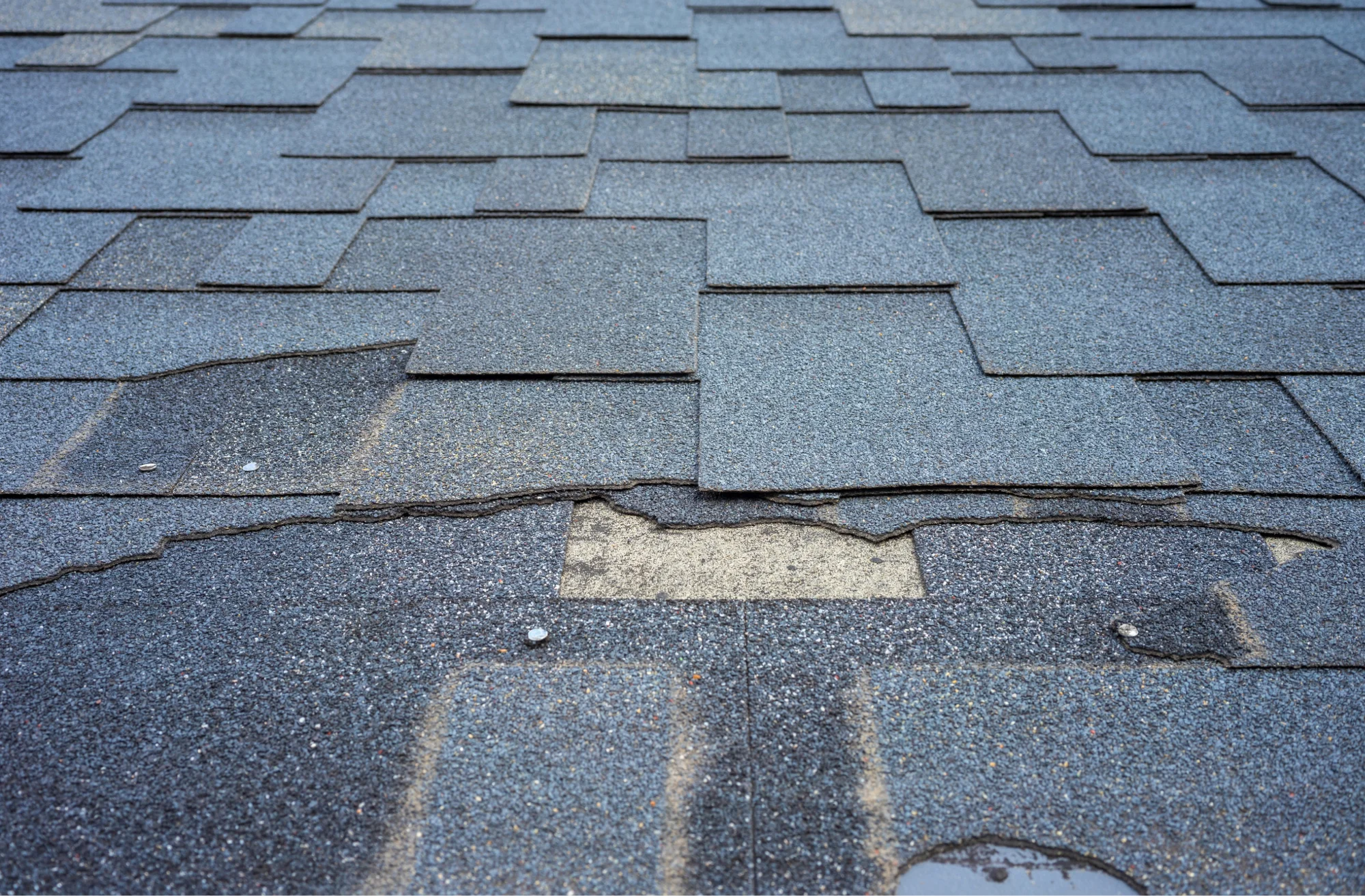
After a storm, stay off the roof. From a safe location, look for visible roof damage such as missing shingles, fallen debris, sagging areas, or active leaks. Protect belongings inside the home when it is safe to do so, document the damage, contact your insurance company, and schedule a professional roof inspection. A roofing contractor can then determine whether the roof needs temporary stabilization, permanent repairs, or roof replacement.
Key Takeaways
- Never climb onto a storm-damaged roof. Wet surfaces, loose roofing materials, structural damage, and fallen debris can create significant risks.
- Have an emergency roofing company picked before you need one. Major storms can bring unfamiliar contractors into affected neighborhoods.
- Document storm damage before permanent repairs begin. Texas Department of Insurance guidance recommends photos and video, prompt reporting to the insurance company, and saving records and receipts.
- Do not ignore active leaks. Water intrusion can damage insulation, ceilings, walls, and other parts of the home.
- Emergency repairs and permanent repairs are different. A professional may first stabilize the roof and prevent further damage before completing the final repair.
- A few missing shingles do not automatically mean you need a new roof. A professional roof inspection can determine whether minor repairs are enough or whether there is more extensive damage.
- Never work with a contractor who offers to waive your insurance deductible. That is illegal in Texas.
Why Every Texas Homeowner Needs a Storm Response Plan
When severe storms move through San Antonio and Central Texas, roof damage does not always happen in an obvious way. High winds can rip shingles from a roof, hail can damage roofing materials, and flying debris or fallen tree branches can puncture a roofing system. Heavy rain can then find those openings and create roof leaks.
Cloud Roofing provides emergency roof repair services for sudden damage caused by hail, wind, fallen trees, leaks, and other storm-related problems. Depending on what an inspection finds, emergency roofing services may involve minor roof repairs, more extensive repair work, or a full roof replacement.
The problem is that a roofing emergency tends to create pressure. Water may be coming into the house, another round of rain may be approaching, and multiple contractors may suddenly be knocking on doors.
A storm response plan removes some of that uncertainty. Instead of trying to make every decision while your roof is leaking, you already know what to do, what not to do, who to contact, and how to document the damage.
Before the Storm: Prepare for a Roofing Emergency
The best time to plan for emergency roof repair is when the roof is still dry.
Have a Roofing Contractor Picked Out Ahead of Time
After major storms, homeowners often start searching for an emergency roofing service at the same time. That can make it harder to separate an established local roofing contractor from a company that arrived in town specifically to chase storm work.
Before severe weather, identify a reliable roofing company with a permanent local presence, established history, proof of insurance, and experience with storm damage repair.
Texas does not currently require a state-issued license specifically for reroofing contractors, so the phrase "licensed roofer" does not provide the same statewide verification it might in another trade. Within San Antonio, applicable residential building and home-improvement contractors must meet local registration requirements, and the City requires liability insurance for those registrations.
Cloud Roofing has been based in San Antonio since 1975 and provides emergency roof repair, residential roofing, roof replacement, and commercial roofing services.
Schedule Regular Professional Roof Inspections
A storm response plan should not begin with waiting for something to leak.
Regular inspections give a professional roofer an opportunity to catch missing shingles, deteriorating flashing, problems around roof vents, clogged drainage areas, and other roofing issues before severe weather puts additional stress on them.
Proactive maintenance cannot prevent every roofing emergency, but identifying minor damage early may reduce the chance that a vulnerable area becomes a major source of water intrusion during the next storm.
Cloud Roofing offers free inspections and quotes so homeowners can understand the condition of the roof before work begins.
Address Overhanging Branches Before Storm Season
Overhanging tree branches can become a problem during high winds. Limbs may scrape roofing materials, clog gutters with leaves and debris, or fall onto residential roofs during severe storms.
Tree trimming around a roof should be handled by an appropriate professional rather than treated as a DIY roof-maintenance project. Large branches and entire trees can create serious safety and property risks when they are close to a structure.
Keep Gutters and Drainage Working Properly
Proper drainage becomes particularly important during heavy rain. Clogged gutters can cause water overflow around roof edges and other parts of the structure.
Have gutters professionally cleaned and evaluated as needed, especially if the property has mature trees. A roofing contractor inspecting the property can also look for gutter or drainage problems that may contribute to leaks.
Keep Your Insurance Information Accessible
Store your insurance company name, policy number, claims phone number, and important policy documents somewhere you can access them quickly.
It is also worth reviewing your policy before storm season so you understand your deductible and whether you have wind and hail coverage. Coverage varies by policy, and homeowners should not assume that every type of emergency roof repair will automatically be covered. The Texas Department of Insurance recommends reviewing roof coverage and understanding how a policy will pay before a claim is necessary.
During the Storm: Focus on Safety, Not Roof Repair
If the roof starts leaking while the storm is still happening, do not go onto the roof.
Emergency roof repairs should begin only when conditions are safe for trained professionals to inspect the property.
A wet roof, loose shingles, high winds, lightning, damaged roofing materials, and possible structural issues make storm conditions particularly dangerous. Trying to find the leak or cover a hole yourself can turn property damage into a medical emergency.
Protect the Interior When It Is Safe to Do So
If water is dripping into an accessible part of the home, placing a bucket or container beneath the leak can help limit interior water damage. Move furniture, electronics, rugs, and other valuables away from active leaks when they can be moved safely.
These are interior protection measures, not roof repairs.
Do not climb into a dangerous attic, attempt to reach the roof from a ladder, or start opening walls or ceilings.
Some storm-response guides suggest poking a small hole in a sagging ceiling to release trapped water. Cloud Roofing does not recommend homeowners do this. A ceiling holding water may be unstable, and water may also be near electrical systems. Stay clear of an unsafe or sagging area and get professional help.
After the Storm Passes: Check for Damage From the Ground
Once the storm passes and conditions are safe, perform only a ground-level visual check.
You are not trying to diagnose the roofing system yourself. You are looking for signs that tell you an emergency roof inspection is needed.
Those signs can include:
- Missing shingles
- A few missing shingles scattered around the property
- Damaged shingles or roofing materials on the ground
- Visible holes or openings
- Fallen debris or tree branches on the roof
- Damaged gutters
- Loose or damaged roof vents
- A visibly sagging roof section
- Interior leaks
- Water stains on ceilings or walls
- Damp insulation in a safely accessible area
- Active water intrusion
- Other visible roof damage
Missing shingles can compromise the roof's protective barrier and expose underlying materials to rain. Even when the visible damage appears minor, a professional roofing contractor should determine whether the problem is limited to a few shingles or extends farther across the roofing system.
Do not attempt to inspect the roof safely by climbing onto it. The safest roof inspection after a storm is one performed by a professional with the training and safety equipment to evaluate the damaged areas.
Document the Storm Damage Before Permanent Repairs
Documentation is one of the most important parts of a storm response plan.
The Texas Department of Insurance recommends taking photos and video of property damage, contacting the insurance company promptly, making only temporary repairs necessary to prevent more damage, keeping a record of those repairs, and saving receipts. TDI also advises against making permanent repairs before the insurance adjuster has had an opportunity to see the damage.
Record:
- The date and approximate time of the storm
- Interior water damage
- Water stains and active leaks
- Roofing materials or shingles that landed on the ground
- Fallen debris
- Damaged gutters or exterior components
- Visible roof damage that can be photographed without climbing onto the roof
- Receipts and invoices for emergency services
- Inspection reports and written roofing estimates
If you can safely photograph hailstones or damage at ground level, showing an object for scale can make the photographs easier to interpret later. Do not climb onto the roof to obtain better insurance pictures.
A professional roofer can provide additional roof-level documentation during the inspection.
Call Your Insurance Company Promptly
If the storm caused significant damage and you may be filing a claim, contact your insurance company or agent as soon as reasonably possible.
The Texas Department of Insurance advises homeowners to report property damage promptly because policies can contain deadlines for filing claims.
Most homeowners insurance policies do not provide identical coverage, so it is important to avoid broad assumptions such as "insurance always covers emergency roof repair." If wind, hail, or another covered event caused the roof damage, coverage may apply according to the policy, deductible, exclusions, and method used to calculate roof coverage.
Your roofing contractor can document the physical roof damage and provide repair or replacement estimates. Your insurance company determines what the policy covers.
What Does an Emergency Roofer Do After a Storm?
A professional emergency roof inspection is designed to determine two things:
- Does the roof need immediate stabilization to prevent further damage?
- What permanent repairs will restore the roofing system?
Cloud Roofing's emergency roof repair services include inspections and repair for problems involving hail, wind, leaks, fallen trees, and other sudden roof damage. Depending on the condition of the roof, the eventual solution may range from minor repairs to roof replacement.
First: Identify Immediate Safety and Water-Intrusion Problems
A professional roofer looks for areas where the roof's protective barrier has been compromised.
That might involve missing shingles, punctures from flying debris, damaged flashing, affected roof vents, exposed underlayment, damaged flat roofs, or areas where fallen debris has affected the structural integrity of the roofing system.
Active leaks and obvious openings receive priority because continued water intrusion can cause further damage inside the home.
Second: Stabilize the Roof When Necessary
Emergency repairs are sometimes temporary.
When permanent repairs cannot immediately be completed because of weather, material availability, insurance inspection timing, or the extent of the damage, an emergency roofing contractor may install professional temporary protection to keep rain from entering an exposed area.
This might include professionally securing a temporary covering over an opening or performing another appropriate stabilization based on the roofing system.
Homeowners should not attempt to tarp a damaged roof themselves.
The Texas Department of Insurance specifically recognizes temporary repairs intended to prevent more damage and recommends saving receipts for those expenses because they may be relevant to an insurance claim.
Third: Determine the Permanent Fix
Once the roofing emergency is stabilized, the contractor determines what the permanent repair should involve.
A few missing shingles may only require replacement shingles and repairs to the surrounding area. Damaged flashing or roof vents may need to be repaired or replaced. Fallen debris may require a closer inspection of the roof deck and structural components.
More extensive damage across a large percentage of the roof may make roof replacement more practical than repeated roof repairs.
A professional roof inspection should determine that scope rather than assuming every storm-damaged roof needs a full roof replacement.
Why Delaying Emergency Roof Repairs Can Make Damage Worse
Roof leaks rarely improve on their own.
When water enters the roofing system, it can reach the roof deck, insulation, ceilings, walls, and other building materials. Continued moisture can contribute to mold growth and, in more serious situations, structural damage.
That is why immediate repairs or temporary stabilization can matter after sudden roof damage. The objective is to stop further harm until permanent repairs can restore the roof.
Delaying repairs may also turn relatively minor repairs into more costly repairs if water continues entering the property during additional rain.
Cloud Roofing's emergency roofing service is specifically designed to inspect sudden damage and determine what is needed to restore the roof's structural integrity and prevent further roofing issues.
Do Not DIY Emergency Roof Repairs
After a storm, urgency can make it tempting to climb onto the roof and try to create a temporary fix.
Do not.
A storm-damaged roof may have loose roofing materials, hidden structural issues, wet surfaces, unstable decking, damaged electrical components nearby, or debris that makes walking conditions unpredictable.
That means homeowners should not:
- Climb onto the roof to replace missing shingles
- Attempt to tarp the roof themselves
- Remove large fallen branches from the roof
- Repair roof vents
- Try to seal active roof leaks from the exterior
- Walk across areas that may have structural damage
- Puncture sagging ceilings to drain water
- Attempt permanent repairs before the roof has been professionally inspected
The storm response plan should focus on safely protecting people and belongings inside the home while a professional roofer handles the roofing emergency.
How to Avoid Storm Chasers After Severe Weather
Major storms can bring a flood of roofing offers into damaged neighborhoods.
Urgency should not eliminate normal contractor vetting.
The Texas Department of Insurance recommends getting written estimates, checking references, and being cautious about contractors who show up after storms. TDI also warns homeowners about deductible-waiver offers.
When choosing someone for emergency roof repair after storm damage, look for:
- A permanent local business address
- A long-term local track record
- Proof of appropriate insurance
- Written estimates
- Clear descriptions of temporary and permanent repairs
- Experience with storm damage repair
- Established reviews
- A contractor who does not pressure you to sign immediately
- A contractor who will explain whether repair or replacement is actually necessary
For properties within San Antonio, you can also verify applicable contractor registration through the City's Development Services resources.
Cloud Roofing has operated in San Antonio since 1975, giving homeowners a permanent local roofing company to contact before and after major storms.
Never Let a Roofing Contractor Waive Your Deductible
If an insurance claim is involved, you are responsible for the deductible required by your policy.
Texas law prohibits contractors from waiving, rebating, absorbing, or otherwise helping a property owner avoid paying that deductible. Contracts of $1,000 or more involving an insurance settlement also must include required deductible language.
An offer to "cover your deductible" should be treated as a warning sign, not a discount.
Preventing Future Roofing Emergencies
You cannot prevent hail, high winds, or fallen debris, but proactive maintenance can reduce the number of weak points severe weather has to exploit.
A professional roofing contractor can help by checking:
- Loose or damaged shingles
- Flashing
- Roof vents
- Gutters and drainage
- Previous repairs
- Roof penetrations
- Signs of existing roof leaks
- Flat roof membranes and drainage areas
- Damage around edges and ridges
- Areas affected by nearby trees
Quality roofing materials also matter when repairs or replacement become necessary. The right materials and installation approach vary depending on the roofing system, existing roof, exposure to severe weather, and scope of damage.
Regular professional inspections are particularly useful after major storms because minor damage may not create an immediate leak. Catching those problems before the next round of severe weather can help prevent future emergencies.
Your Storm Response Plan at a Glance
When severe weather is in the forecast, your plan should already be in place:
Before the storm: Know your roofing contractor, keep insurance information accessible, maintain the roof and gutters, and address hazardous overhanging branches through qualified professionals.
During the storm: Stay inside and stay off the roof. Protect belongings from interior leaks only when it is safe to do so.
Immediately after the storm: Look for damage from the ground, photograph what you can safely see, and contact a roofing contractor if you notice active leaks, missing shingles, fallen debris, sagging, or other roof damage.
If an insurance claim may be necessary: Contact your insurance company promptly, document the damage, save receipts and records, and avoid permanent repairs until the insurer has had the opportunity to assess the claim unless immediate work is necessary for safety.
For the roof itself: Leave inspections, temporary stabilization, emergency repairs, and permanent repairs to a professional roofing contractor.
Have an Emergency Roofing Plan Before You Need One
The worst time to search for a roofing contractor is while water is coming through the ceiling and dozens of companies are competing for storm work.
Cloud Roofing has provided emergency roof repair services in San Antonio since 1975. Our team can inspect sudden roof damage, identify roof leaks, perform necessary roof repairs, and determine whether permanent repairs or roof replacement are appropriate.
If a storm has damaged your roof, stay off the roof and let a professional evaluate it safely.
Call 210-366-9484 to schedule a free inspection and get help with emergency roof repairs in San Antonio and surrounding communities.
Frequently Asked Questions
What Counts as a Roofing Emergency?
A roofing emergency generally involves sudden roof damage that creates an immediate risk of water intrusion, further property damage, or safety concerns. Active leaks, visible holes, significant missing shingles, fallen trees or branches, wind damage, structural sagging, and substantial storm damage are all reasons to contact an emergency roofing service.
What Should I Do First If My Roof Starts Leaking During a Storm?
Stay off the roof. If it is safe inside the home, move valuables away from the leak and place a container beneath dripping water to reduce interior damage. Do not climb into an unsafe attic or attempt exterior roof repairs during severe weather.
Once conditions are safe, call a professional roofer for an emergency roof inspection.
Should I Poke a Hole in a Sagging Ceiling to Drain Storm Water?
No. Cloud Roofing does not recommend puncturing a sagging ceiling yourself. A water-loaded ceiling may be unstable, and water could be near electrical systems.
Stay away from the affected area and contact the appropriate professionals. The priority is personal safety, not attempting a DIY drainage repair.
Can I Put a Tarp on My Roof After a Storm?
A tarp or other temporary covering may be part of professional emergency stabilization, but homeowners should not climb onto a storm-damaged roof to install one themselves.
A roofing contractor has the safety equipment and experience to determine whether the roof can be accessed safely and how temporary protection should be secured without causing further damage.
Does Homeowners Insurance Cover Emergency Roof Repair?
It depends on the policy and the cause of the damage. Wind, hail, or other sudden covered events may qualify, while wear, deterioration, or long-term leaks may be treated differently.
The Texas Department of Insurance advises homeowners to review their individual policies because coverage and claim requirements vary.
Will Insurance Pay for Temporary Emergency Repairs?
Necessary temporary mitigation expenses may be included in a covered claim, but reimbursement is not guaranteed for every policy or situation.
TDI recommends making reasonable temporary repairs to prevent additional damage and saving receipts for those expenses.
Should I Call My Insurance Company or a Roofer First?
If the home has significant storm damage, both should be contacted promptly.
Your insurance company handles the claims process and determines coverage. A professional roofing contractor evaluates the physical roof damage, identifies immediate repair needs, documents roofing conditions, and provides an estimate.
If there is active water intrusion or visible structural damage, getting professional emergency roofing help is particularly important.
What Should I Photograph for an Insurance Claim?
Photograph and record damage that can be documented safely, including interior leaks, water stains, damaged belongings, roofing materials on the ground, fallen debris, damaged gutters, and visible exterior damage.
The Texas Department of Insurance recommends photos and video before cleanup or permanent repairs whenever it is safe to obtain them. Save inspection reports, estimates, temporary repair invoices, receipts, and other claim-related records as well.
Do not climb onto the roof simply to obtain photographs.
Do Missing Shingles Require Emergency Roof Repair?
They can. A few missing shingles may expose the layers beneath them and leave the roof vulnerable to water intrusion during additional rain.
That does not necessarily mean the entire roof needs replacement. A professional roof inspection can determine whether the problem requires minor repairs, replacement of damaged shingles, or more extensive roof repairs.
Can Hail Damage a Roof Without Causing an Immediate Leak?
Yes. Storm damage does not have to create an active leak immediately to warrant an inspection. Hail and high winds can damage roofing materials without creating an obvious opening visible from the ground.
That is why a professional inspection after severe storms can be useful even when the home appears dry.
What Happens If a Tree Falls on My Roof?
Stay away from the damaged area and do not attempt to remove the tree or branches yourself. Fallen debris can hide severe damage to roofing materials, decking, and structural components.
A tree-service professional may need to address the tree while a roofing contractor evaluates the roof. If the structural integrity of the house may be affected, additional professionals may also be necessary before repairs can safely begin.
How Quickly Should Emergency Roof Repairs Begin?
Emergency roof repair should begin as soon as conditions are safe and a professional can assess the property, particularly when there are active leaks, open holes, missing roofing materials, or other conditions that allow continued water intrusion.
The first response may be temporary stabilization rather than the permanent fix. Permanent repairs can follow once the damage has been fully assessed and any insurance requirements have been addressed.
Is Emergency Roof Repair More Expensive Than a Normal Roof Repair?
It can be, but repair cost depends on the type and extent of the damage, accessibility, materials, timing, and whether temporary stabilization is required before permanent repairs.
Rather than assuming every roofing emergency requires major repairs, Cloud Roofing offers free inspections and quotes to determine the actual scope of the damage.
When Does Storm Damage Require a Full Roof Replacement?
A full roof replacement may be considered when damage is extensive, the roofing system has widespread failure, structural issues affect the roof, or repairs cannot reliably restore long-term protection.
A few missing shingles, isolated flashing damage, or another localized problem may only require roof repairs. A professional roofing contractor should inspect the roof before determining which option is appropriate.
How Can I Prepare My Roof for the Next Major Storm?
Start with proactive maintenance rather than emergency DIY repairs. Schedule professional inspections, have damaged shingles or flashing repaired, maintain proper drainage, have hazardous tree branches addressed professionally, and understand the condition and age of your roofing system.
You should also keep your insurance information accessible and know which reliable roofing company you intend to call before severe weather arrives.