


Quick Answer
Environmentally friendly roofing materials reduce environmental impact through energy efficiency, durability, recycled content, or responsible disposal. In Texas, reflective asphalt shingles, metal roofing, slate, cool-roof membranes, green roofs, and solar systems may offer environmental benefits. The right choice depends on the building, climate, maintenance needs, and local recycling options.
Key Takeaways
- Reflective roofing materials can reduce solar heat gain and cooling demand.
- Longer-lasting roofs may require fewer replacements and produce less tear-off waste.
- Metal roofing can combine durability, recycled content, and recycling potential.
- Asphalt-shingle recycling depends on the programs available locally.
- Proper installation and regular maintenance are crucial to environmental performance.
- Product documentation should support energy, recycled-content, and recyclability claims.
Choosing a roof in Texas usually starts with durability, storm resistance, and cost. Environmentally friendly roofing materials deserve a place in that decision because they can reduce environmental impact through recycled content, energy efficiency, longer service life, and recyclability. The right roof can reduce heat absorption, lower air-conditioning demand, last longer, and create less landfill waste over its life cycle.
For Texas property owners weighing sustainable roofing options, that balance is practical as well as environmental. Less heat gain may reduce cooling demand, while longer-lasting systems can limit material consumption and tear-off waste.
However, no material is automatically sustainable in every application. Climate, roof design, transportation distance, recycled content, maintenance, installation quality, and end-of-life options all affect the final result. This guide examines cool roofs, green roofs, asphalt shingles, metal roofing, slate, recycled materials, and solar panels to help property owners compare their options.
Overview of Eco-Friendly Roofing Materials
Eco-friendly roofing materials are products that reduce environmental impact during manufacturing, transportation, installation, use, or disposal. Some contain recycled materials. Others conserve energy by reflecting solar radiation, support solar panels, provide thermal benefits, or remain usable longer before replacement.
A roof’s environmental impact extends across its entire life cycle:
- Raw-material extraction and manufacturing
- Transportation to the project
- Installation waste and emissions
- Energy consumed while the roof is in service
- Maintenance and repair requirements
- Replacement frequency
- Recycling, reuse, or disposal
Energy-efficient materials may lower cooling demand during hot Texas summers. This can reduce energy consumption and the greenhouse gas emissions associated with electricity generation. Roofs that manage heat effectively may also improve interior comfort and reduce strain on air-conditioning systems.
Material selection can affect local air quality as well. Cool roofs and green roofs may help reduce the urban heat island effect, while lower-emission adhesives and coatings can limit pollutants during installation.
Key Environmental Impact Factors
Embodied carbon is the greenhouse gas impact associated with extracting raw materials, manufacturing a product, transporting it, and completing installation. A product made using energy-intensive processes may carry a larger initial footprint, but a long service life, recycled content, or operational energy savings can influence its total life-cycle impact.
Landfill waste is another important consideration. A roof replacement can generate old roofing material, packaging, fasteners, underlayment, and damaged decking. Asphalt shingles are widely used, so improvements in their service life, maintenance, or recovery can make a meaningful difference.
Recyclability should be evaluated realistically. A material may technically be recyclable but still go to a landfill if no nearby facility accepts it. Property owners should ask whether local recycling centers accept asphalt shingles, metal panels, slate, commercial membranes, or other roofing waste. Transportation to a distant recycling facility may also affect the environmental benefit.
Consider three end-of-life questions:
- Can intact materials be salvaged or reused?
- Is a suitable local recycling program available?
- Will the roofing contractor separate recyclable materials from mixed debris?
Energy Efficiency and Cool Roofs
A cool roof absorbs and transfers less solar heat than a conventional roof. Its performance is commonly described through two measurements:
- Solar reflectance: How effectively the surface reflects sunlight
- Thermal emittance: How effectively the surface releases absorbed heat
Materials with suitable reflectance and emittance can lower roof-surface temperatures and reduce heat entering a building. Cool-roof options include reflective metal finishes, light-colored single-ply membranes, reflective coatings, and asphalt shingles manufactured with light- or cool-colored granules.
The EPA’s guidance on cool roofs explains that these roofs can reduce indoor temperatures, air-conditioning demand, and the surrounding heat island effect. Actual energy savings depend on the building, insulation, roof area, climate, HVAC efficiency, and product performance. A percentage reported for one building should not be treated as a guaranteed result for another.
Cool roofs are particularly relevant in warm, sunny climates such as South Texas, where cooling loads can be substantial. Proper insulation and air sealing remain essential because a reflective surface cannot correct inadequate insulation or an inefficient ventilation system.
Periodic cleaning may also be necessary because dirt and biological growth can reduce solar reflectance over time.
Green Roofs and Air Quality Benefits
A green roof supports vegetation above a waterproof roofing system. Typical components include a roof membrane, root barrier, drainage layer, growing medium, and plants. Before installation, the building must be evaluated for the added weight of vegetation, retained water, and maintenance access.
Green roofs can offer several environmental benefits:
- Slowing and reducing stormwater runoff
- Shading the roof surface
- Providing added thermal buffering
- Lowering surrounding air temperatures
- Supporting habitat in developed areas
- Reducing some building cooling demand
- Capturing certain airborne pollutants through vegetation
The EPA’s information about green roofs notes that they can reduce roof and surrounding air temperatures while supporting stormwater management and reduced energy use. Results vary according to roof design, climate, vegetation, irrigation, and maintenance.
Plant selection must match the Texas climate and the roof’s exposure. Drought-tolerant native or adapted plants may reduce irrigation requirements. A qualified professional should consider sunlight, wind, rainfall, growing-medium depth, fire safety, drainage, and maintenance access.
Asphalt Shingles: Sustainability Review
Asphalt shingles are a widely used roofing option because they balance cost, durability, design flexibility, and straightforward installation. Cloud Roofing offers three-tab, architectural, and luxury asphalt shingle roofing options for San Antonio-area properties.
From an environmental standpoint, asphalt roofing presents benefits and tradeoffs. Some products are available with reflective granules that reduce solar heat absorption and may help lower cooling demand. Individual damaged or missing shingles can also be repaired without replacing the entire roof when the surrounding system remains serviceable.
However, asphalt shingles contain petroleum-based components and can create considerable tear-off waste during replacement. Their environmental performance depends on product life, proper installation, regular maintenance, energy characteristics, and the availability of local recycling programs.
Property owners should review solar-reflectance data, warranty coverage, maintenance requirements, recycled-content documentation, and end-of-life options. Choosing an appropriate product and addressing damage promptly can help reduce premature replacement.
Eco-Friendly Roofing Alternatives: Metal and Recycled Options
Metal roofing is one of the most practical sustainable roofing options for many Texas properties. It may contain recycled content, can reflect solar heat when paired with a suitable finish, and often has strong recycling potential at the end of its service life.
Standing-seam systems can also support solar-panel installation using mounting methods that may avoid penetrating the panel surface. The exact approach depends on the metal system and solar equipment.
Cloud Roofing notes that a properly installed metal roofing system may last 50 years or more. A longer service life can reduce the number of replacements, associated material consumption, and tear-off waste over a building’s life.
Recycled shingles and synthetic roofing products may incorporate recovered rubber, plastic, wood fiber, or other materials. These products can support waste diversion, but their composition and performance vary. Before selecting one, confirm:
- Percentage of recycled content
- Whether the content is pre- or post-consumer
- Fire and impact ratings
- Product weight
- Applicable building-code approvals
- Manufacturer warranty
- Local end-of-life options
Solar panels offer another way to reduce a building’s operational environmental impact. They generate renewable electricity and may reduce dependence on grid power. Roof condition, orientation, shade, electrical design, structural capacity, and local requirements must be evaluated before installation.
Reducing Landfill Waste and Circular Practices
Sustainable practices during replacement matter almost as much as the new material. Ask the roofing company how tear-off waste will be managed and whether recyclable materials will be separated.
Some areas have programs that process used asphalt shingles for approved applications. Metal roofing is often attractive to recyclers, while intact slate may retain value for repair, restoration, or architectural reuse. Certain commercial roofing membranes may also be accepted through specialized manufacturer or industry recovery programs.
Before assuming a material can be diverted:
- Contact local recycling centers
- Ask what materials and conditions they accept
- Confirm whether sorting is required
- Compare transportation distance and fees
- Request documentation of disposal or recycling when needed
Installing a second roof layer solely to avoid disposal is not always appropriate. Existing conditions, building codes, manufacturer instructions, roof weight, ventilation, and moisture must be evaluated before an overlay installation is considered.
Installation Process and Maintenance for Eco-Friendly Roofs
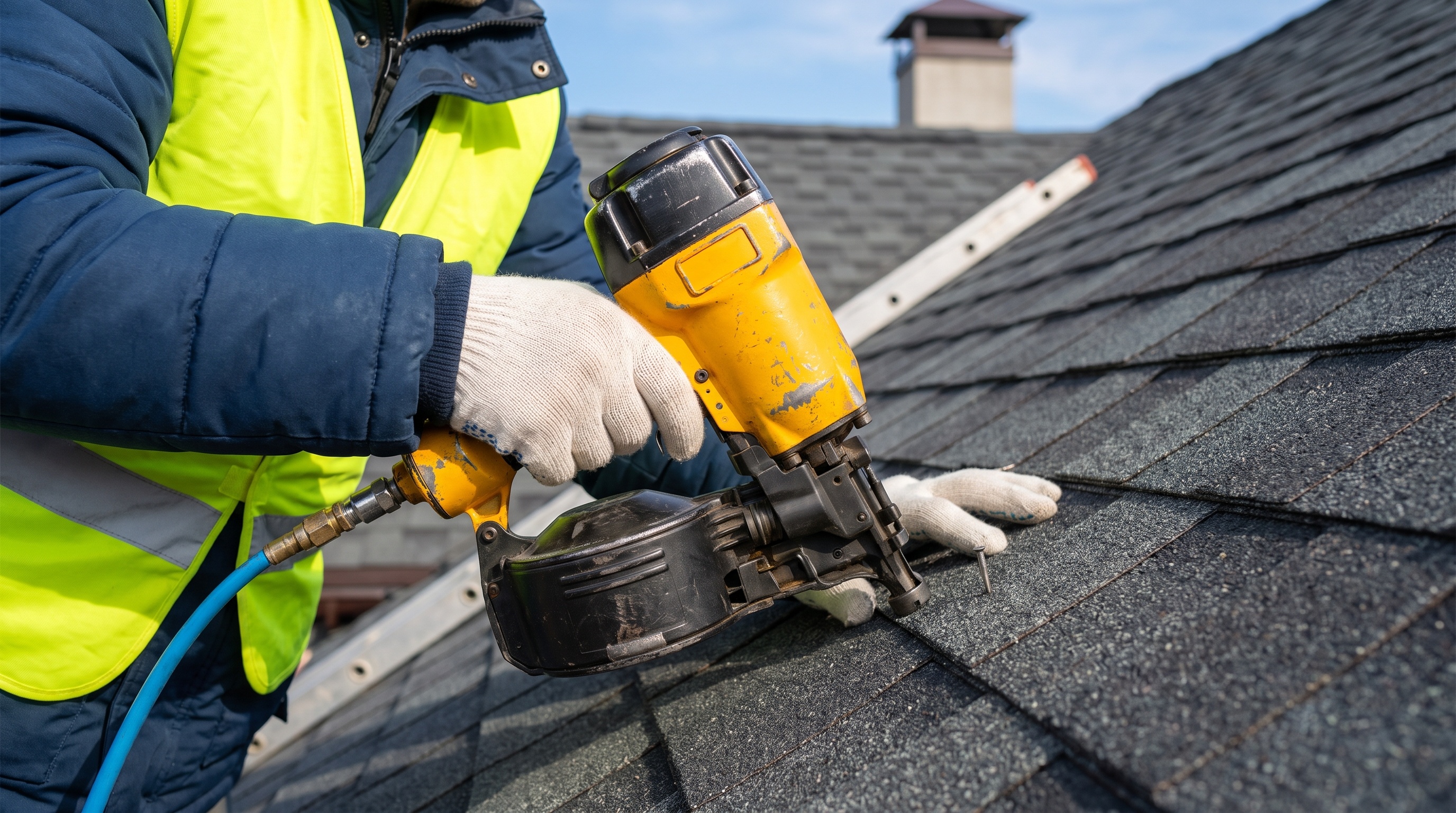
Installation begins with an assessment of the existing roof structure. A roofing contractor should inspect the deck, drainage, flashing, penetrations, ventilation, and insulation. Slate, green roofs, solar systems, and some commercial roof assemblies may require additional structural review because of their weight or installation requirements.
Installer qualifications should match the material. Property owners can ask about manufacturer training, documented experience with the chosen system, warranty eligibility, insurance, references, and applicable local registrations. Specialized green or solar roofs may require coordination with structural, electrical, waterproofing, or landscape professionals.
Installation methods vary:
- Asphalt shingles are fastened over a prepared deck and underlayment.
- Standing-seam metal panels use clips or concealed-fastener systems.
- Slate requires suitable structural support, specialized fastening, and carefully installed flashing.
- Commercial systems such as TPO, EPDM, PVC, and modified bitumen require material-specific attachment, seaming, and drainage practices.
- Green roofs add drainage, root protection, growing media, and vegetation.
- Solar systems require structural and electrical coordination.
- Recycled composite products must follow their manufacturer’s instructions.
Regardless of the material, proper installation has a major effect on service life, energy performance, and cost effectiveness.
A basic maintenance plan should include:
- Scheduling regular professional roof inspections
- Clearing drains, gutters, and accumulated debris
- Checking flashing, seams, fasteners, and penetrations
- Addressing leaks promptly
- Replacing broken or missing components
- Cleaning reflective surfaces when appropriate
- Maintaining green-roof vegetation and drainage
- Inspecting mounting points around solar panels
Decision Guide: Choosing Friendly Roofing Materials for Your Climate
For a Texas property, compare each option against these questions:
- Can it handle the site’s heat, wind, rain, and hail exposure?
- Does the product have verified solar-reflectance data?
- Is it compatible with the roof’s slope and structure?
- How frequently will it require maintenance or replacement?
- Does it contain documented recycled content?
- Can it be recycled or reused locally?
- Will its weight require structural modifications?
- Is it supported by a meaningful warranty?
- Does it comply with applicable building codes?
- How do roof size and material choice affect installation and life-cycle costs?
Upfront price tells only part of the story. A highly durable roof may cost more initially but require fewer replacements. A reflective product may reduce cooling demand, but energy savings depend on the complete building. A recycled product may divert waste but provide limited value if it performs poorly in local weather.
The best option balances durability, energy efficiency, maintenance, recyclability, and cost for the specific building.

Choose a Roof That Fits Your Property and Priorities
Environmentally friendly roofing is not about selecting one universally “greenest” material. It means evaluating durability, energy performance, recycled content, maintenance, transportation, and end-of-life options together.
Cloud Roofing can inspect your existing system and help you compare roof replacement options, metal roofing systems, and asphalt shingle roofing for your San Antonio-area property. Schedule a free inspection to discuss a durable solution suited to your building, budget, and environmental priorities.
Frequently Asked Questions
What is the most environmentally friendly roofing material?
There is no universal answer. Metal roofing, slate, reflective asphalt shingles, commercial cool-roof membranes, green roofs, and recycled products can offer different environmental benefits. The best choice depends on climate, building structure, durability, energy performance, transportation, and local recycling availability.
Are asphalt shingles environmentally friendly?
Asphalt shingles present landfill and raw-material concerns, but their impact may be reduced through proper installation, timely repairs, reflective product technology, longer service life, and recycling where suitable programs exist. Product documentation and local disposal options should be checked before making environmental claims.
Do metal roofs reduce energy costs?
A metal roof with a suitable reflective finish can reduce solar heat gain and cooling demand, particularly in warm climates. Actual savings depend on the finish, insulation, air sealing, building design, HVAC system, roof size, and energy rates.
Are green roofs suitable for Texas?
Green roofs may be suitable for some Texas buildings, but structural capacity, waterproofing, drainage, irrigation, plant selection, heat, and maintenance must be evaluated carefully. Drought-tolerant vegetation and a climate-appropriate design are essential.