


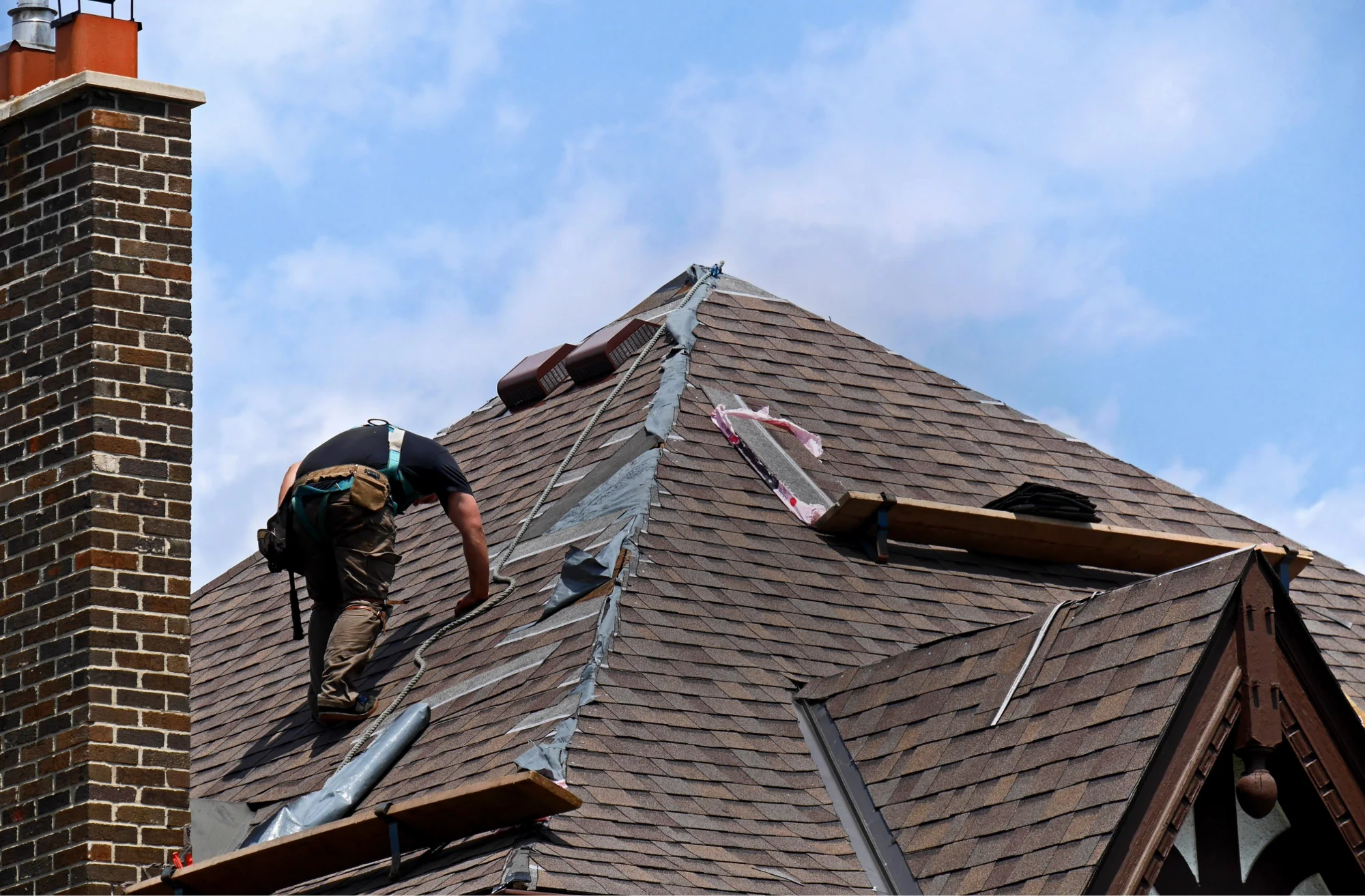
Quick Answer: How Does Summer Heat Impact A Roof?
Texas summer heat can speed up wear on shingles, flashing, roof vents, sealants, and other parts of a roofing system, especially when intense UV exposure is followed by hail, high winds, or heavy rain. The best way to prevent small roofing problems from turning into costly repairs is to schedule professional inspections, address roof leaks promptly, maintain proper attic ventilation, and have damaged shingles, flashing, vents, and gutters repaired by an experienced roofing contractor. Homeowners should not attempt DIY roof repairs, since the source of a leak may be hidden and working on a hot or damaged roof can be dangerous.
Key Takeaways
- Do not attempt DIY roof repairs. A professional roofer should inspect roof leaks and determine whether the problem involves shingles, flashing, roof vents, the roof deck, or another part of the roofing system.
- Texas heat can accelerate roof wear. High temperatures and UV exposure can contribute to aging shingles, deteriorated sealants, and ventilation problems.
- Small leaks should be addressed quickly. Timely roof repairs may help prevent water damage, damp insulation, mold growth, and structural damage.
- Check the roof after severe weather. Hail, high winds, and heavy rain can cause missing or damaged shingles, damaged flashing, and leaks that are not always visible from the ground.
- Attic ventilation matters. Proper roof vents help release trapped heat and moisture that can affect shingles and the rest of the roofing system.
- Repair is not always the same as replacement. An experienced roofing contractor should determine whether targeted roof leak repairs are sufficient or whether widespread damage makes a full roof replacement more practical.
- Document storm damage before permanent repairs. Photos, videos, and professional inspection records can be useful if homeowners insurance is involved.
Texas summer is hard on a roof. In San Antonio, long stretches of intense sun are often followed by heavy rain, high winds, hail, and sudden storms. That combination can accelerate wear on asphalt shingles, flashing, roof vents, sealants, and other parts of an existing roof. San Antonio currently follows the 2024 International Code Council codes, including the 2024 International Residential Code, with local amendments.
The most important thing to understand about these roof repair tips is that they are not DIY instructions. Roof repair should be handled by a professional roofer. Working on a hot roof is dangerous, and what looks like a small leak from the ground may involve damaged flashing, wet decking, ventilation problems, or other hidden issues.
Instead, this guide explains what an experienced roofing contractor looks for when diagnosing and completing roof repairs during a Texas summer, so homeowners know what to expect from a professional inspection and repair process.
Why Texas Summer Heat Is So Hard on Your Roof
A San Antonio attic can become extremely hot during summer because the roof absorbs solar radiation for hours at a time. Exact attic temperatures vary depending on the roofing materials, ventilation, insulation, roof color, orientation, and weather conditions, so there is no single temperature every attic will reach.
What is clear is that attic heat can build rapidly. ENERGY STAR notes that proper attic ventilation helps move super-heated air out of the attic during summer while also removing moisture and helping protect roof shingles.
Heat and UV exposure can also contribute to the gradual aging of roofing materials. On shingle roofs, a roofing contractor may see curling, cracking, brittle areas, missing granules, or old shingles that no longer seal as effectively as they once did.
Summer heat is only part of the problem. San Antonio also experiences thunderstorms capable of producing hail, high winds, and heavy rain. Those storms can turn an already weakened area into a leaking roof very quickly.
That is why timely repairs and regular inspections matter. Small repairs completed when a problem first appears may prevent water intrusion, mold growth, damaged insulation, and more costly repairs later.
1. A Roofer Starts by Finding the Actual Source of Roof Leaks
One of the most frustrating things about roof leaks is that the water stain inside your house may not be directly below the damaged part of the roof.
Water can enter near flashing, roof vents, chimneys, shingles, or another penetration and travel along the roof deck before dripping into the attic or living space. A small ceiling stain may therefore be connected to a problem several feet away.
During a professional roof inspection, a roofer looks for evidence such as:
- Missing or damaged shingles
- Damaged flashing
- Cracked or deteriorated seals around roof vents
- Water stains in the attic
- Damp insulation
- Mold growth
- Peeling paint
- Soft or damaged sections of the roof deck
- Granules collecting in gutters
- Evidence of leaks around chimneys or other penetrations
Cloud Roofing identifies ceiling stains, damp attic areas, missing or damaged shingles, mold or mildew, and peeling paint among the common warning signs of a leaky roof.
Finding the source matters because simply fixing the spot where water appears inside does not necessarily repair the leaking roof.
2. Damaged Shingles Are Evaluated Before They Become Bigger Leaks
Asphalt shingles are among the most common roofing materials on San Antonio homes. After years of heat or a period of severe weather, a professional roofer may find damaged shingles, missing shingles, bruising from hail, exposed areas, or significant granule loss.
A few shingles with isolated damage may be candidates for targeted roof repairs. The roofer may remove affected material and install compatible new shingles while checking the surrounding area for damage.
That is different from automatically recommending a full roof replacement.
Cloud Roofing notes that many roof leaks can be corrected through targeted repairs, including replacing damaged shingles or flashing, depending on the extent of the damage.
If a large portion of the roof contains old shingles, widespread deterioration, or recurring leaks, replacing only a few shingles may not solve the larger problem. At that point, an experienced roofing contractor may recommend discussing roof replacement instead of continuing to pay for small repairs.
3. Flashing, Vents, and Chimneys Get Extra Attention
Shingles are only one part of a roofing system.
Many complex leaks develop around roof penetrations and transition points. That includes roof vents, plumbing vents, chimneys, valleys, skylights, and locations where one roof surface meets another.
Metal flashing helps direct water away from these vulnerable areas. When flashing becomes loose, damaged, corroded, or improperly installed, water may reach the roof deck below.
A professional roofer checks whether existing flashing can be repaired or whether new flashing is needed. The same applies to seals around vents and other penetrations.
Depending on the roofing system and the location of the repair, professional roof leak repairs may involve properly selected roofing cement, roof sealant, waterproof sealant, replacement flashing, compatible roofing materials, or another manufacturer-approved repair method.
The important part is using the right repair for the roofing system.
Applying roofing cement everywhere a homeowner sees a crack is not a substitute for diagnosing why the leak developed. Excess roofing cement can sometimes hide the original problem and make future leaks harder to trace.
4. A Professional Checks the Attic, Not Just the Outside of the Roof
Some of the most useful evidence of roof leaks is found below the roofing materials.
A professional inspection may include the attic when it is safe and accessible. A roofer may look for water stains, damp insulation, discoloration on the roof deck, mold growth, musty odors, or daylight entering through areas where it should not.
This part of the inspection can also reveal whether a small leak has been present longer than homeowners realized.
A leaking roof that has repeatedly soaked insulation or roof decking may have caused more than a surface-level problem. Prolonged water intrusion can contribute to structural damage, mold growth, and reduced insulation performance. Cloud Roofing warns that even small leaks can develop into structural issues and more costly repairs if they are left unaddressed.
That is one reason fixing leaks should not be based only on what is visible from the exterior.
5. Roof Vents and Attic Ventilation Are Checked for Heat and Moisture Problems
Roof vents play an important role during a San Antonio summer.
A properly designed ventilation system allows outside air to enter and hot air to exit the attic. ENERGY STAR explains that this natural airflow moves super-heated summer air out of the attic, helps protect shingles, and removes moisture.
A roofing contractor may check roof vents for damage, obstruction, poor placement, or other roofing issues that interfere with ventilation.
Blocked or ineffective vents do not automatically mean the roof needs replacement. They may point to a ventilation problem that needs to be addressed as part of the roofing system.
Reflective roofing materials can also reduce solar heat absorption. ENERGY STAR notes that lighter or more reflective roofing surfaces stay cooler than roofs that absorb more sunlight, reducing the amount of heat transferred into the building.
San Antonio even operates its Under 1 Roof: Cool Roofs for High-Heat Areas program for eligible homeowners, offering energy-efficient cool roof shingle replacements through qualifying pathways.
6. Gutters Are Checked When Diagnosing Roof Leaks
Clogged gutters may seem separate from roof repair, but drainage problems can contribute to water backing up around roof edges.
A roofer examining repeated leaks may check whether gutters are clogged, damaged, pulling away from the structure, or allowing water overflow near vulnerable areas.
Gutters can also provide clues about shingle condition. Large amounts of granules collecting in gutters may indicate deterioration or storm-related damage to asphalt shingles.
Cleaning gutters regularly can help maintain proper drainage, but homeowners should avoid unsafe ladder or roof work. If gutters are high, difficult to access, or located near an already damaged roof, a professional should handle the inspection and maintenance.
7. Storm Damage Should Be Documented Before Permanent Roof Repairs
Texas summer storms can produce hail, wind, and heavy rain with little warning.
After severe weather, a professional inspection may identify bruised shingles, missing shingles, damaged flashing, dents around vents, granule loss, leaks, or damage that cannot be seen safely from the ground. Cloud Roofing recommends a professional roof inspection when hail has affected a neighborhood because hail damage is not always obvious from below.
If homeowners insurance may be involved, documenting damage is important.
The Texas Department of Insurance recommends taking photos and videos of storm damage and keeping records related to the loss and repairs.
A roofing contractor can document the roofing damage and provide a repair or replacement estimate. The insurance company ultimately determines whether damage is covered under the policy.
Texas law also makes it illegal for a contractor to waive, rebate, or absorb a homeowner's insurance deductible.
8. Roofing Cement and Sealants Are Tools, Not Universal Fixes
Online roof repair tips often make fixing leaks sound simple: buy roofing cement, spread roof sealant around the problem, and wait for the next rain.
That is not how a professional roofer approaches roof leak repairs.
Roofing cement may be appropriate for certain repairs, while another situation may require new flashing, replacement shingles, membrane repair, or removal of damaged roofing materials. On a flat roof, the correct repair process may be completely different from one used on asphalt shingles.
The same caution applies to waterproof sealant and roofing tape. Roofing tape may have specialized applications, but it should not be treated as a universal answer for small holes, small cracks, deteriorated flashing, or complex leaks.
Covering an unidentified problem with roofing cement or roof sealant can leave the actual source of water intrusion untouched.
A good repair addresses why the roof leaks, not simply where water happens to appear.
Why We Do Not Recommend DIY Roof Leak Repairs
A lot of online articles explain how homeowners can climb onto a roof with a utility knife, pry bar, roofing cement, new shingles, roofing tape, or waterproof sealant and start fixing leaks themselves.
Cloud Roofing does not recommend that approach.
First, roof work is dangerous under normal conditions. A roof exposed to Texas summer sun can become extremely hot, and damaged or wet roofing materials can make footing less predictable.
Second, DIY repair instructions often assume the homeowner already knows where the leak begins.
That is frequently not the case.
A homeowner might replace a few shingles while damaged flashing remains untouched. Someone might use roofing cement to patch small holes without noticing damage to the roof deck underneath. A garden hose is sometimes suggested online as a way to reproduce rain and locate small leaks, but intentionally adding water to a roofing system with an unknown failure point can create further damage and is not something we recommend homeowners try.
The same goes for pulling old shingles with a pry bar or trimming roofing materials with a utility knife. Those are tasks for a professional roofer who understands how the roofing system is assembled and how the repair affects surrounding materials.
Even minor repairs can become expensive if a DIY attempt creates new openings, damages nearby shingles, or masks the real cause of the leak.
Small Roof Repairs Versus Full Roof Replacement
Not every leaky roof needs a new roof.
A professional roofing contractor considers several factors before recommending roof replacement:
- Age and overall condition of the existing roof
- Number and location of leaks
- Extent of damaged shingles
- Condition of flashing and roof vents
- Evidence of structural damage
- Condition of the roof deck
- Whether previous repairs continue to fail
- Amount of storm damage
- Whether repair materials can integrate correctly with the existing roof
Small leaks caused by an isolated flashing problem or a few damaged shingles may be good candidates for repair.
Multiple roof leaks across different areas, extensive deterioration, widespread storm damage, or serious structural issues may make full roof replacement more practical.
Cloud Roofing specifically offers both leaky roof repair and full roof replacement, allowing the recommended scope to vary depending on what the inspection finds.
How Much Do Roof Leak Repairs Cost?
Roof repair cost can vary depending on where the leak originates, how much roofing material needs replacing, roof accessibility, the condition of the roof deck, and whether hidden water damage is discovered.
A straightforward repair involving a few shingles will generally involve a different amount of work than complex leaks around chimneys, multiple roof vents, damaged flashing, or a flat roof membrane.
The biggest mistake is focusing only on the initial repair cost while allowing a small problem to continue.
Timely repairs can help prevent additional water damage and structural damage that make future repairs substantially more involved.
Cloud Roofing provides free inspections and detailed quotes so homeowners can understand the recommended repair before work begins.
What About Ice Dams?
You may see ice dams mentioned frequently in national roof repair guides.
Ice dams are primarily a cold-weather roofing problem, not a typical cause of San Antonio summer roof leaks. If an online guide spends most of its time explaining ice dams, snow removal, and frozen roof edges, it is not addressing the weather conditions that drive most summer roofing issues in South Texas.
For San Antonio roofs, summer inspections are more likely to focus on heat exposure, ventilation, shingles, flashing, gutters, hail, wind, heavy rain, and existing leaks.
Ice dams can still be useful to understand as a general roofing concept, but they should not distract from the local conditions actually affecting a Texas roof in July or August.
Regular Inspections Can Catch Problems Before Summer Makes Them Worse
One of the simplest ways to avoid costly repairs is to identify roofing issues before they become emergencies.
An annual professional inspection provides a useful baseline, with another inspection recommended when severe weather creates reason to suspect new damage.
Cloud Roofing includes yearly roof inspections with its 10-year roof replacement warranty and uses those inspections to identify potential problems as they develop.
For an older roof, regular inspections become particularly important because heat, UV exposure, storms, previous repairs, and normal aging can interact. A leak that looks new may actually begin at flashing or shingles that have been deteriorating for some time.
Do You Have a Roof Leak? Have a Professional Look at It
Water stains, peeling paint, damp insulation, missing shingles, damaged flashing, musty attic odors, or leaks after heavy rain are all reasons to have the roof inspected.
Do not climb onto the roof and start replacing shingles or applying roofing cement yourself. The safer approach is to have a professional roofer determine where the water is entering and whether the solution calls for a small repair, more extensive roof leak repairs, or roof replacement.
Cloud Roofing has provided roof repairs in San Antonio since 1975 and offers free roof inspections and quotes for homeowners who suspect a problem.
Call 210-366-9484 or contact Cloud Roofing to schedule a professional roof inspection before the next Texas storm turns a small leak into a larger repair.
Frequently Asked Questions
How Hot Can an Attic Get During a San Antonio Summer?
Attics can become extremely hot when a roof absorbs hours of direct summer sun, but there is no single temperature every San Antonio attic will reach. The actual temperature can vary based on roof color, roofing materials, attic ventilation, insulation, orientation, and outdoor conditions. Under some conditions, attic temperatures can climb well above 130°F, and field testing has documented attic temperatures approaching 150°F.
The more important roofing concern is prolonged heat buildup. ENERGY STAR notes that natural airflow through a properly ventilated attic helps move super-heated summer air out of the space, protects roof shingles, and removes moisture.
Can Poor Attic Ventilation Damage a Roof?
Poor ventilation can contribute to excessive heat and moisture accumulation beneath the roof. Over time, that can place additional stress on shingles and other parts of the roofing system.
A professional roofer may inspect intake and exhaust roof vents to make sure airflow is not being restricted. ENERGY STAR specifically recommends maintaining clear ventilation pathways so outside air can enter through soffit vents and exit through ridge, gable, or other exhaust vents.
Homeowners should not climb onto the roof or enter a dangerously hot attic to inspect or modify vents themselves. Ventilation concerns should be evaluated as part of a professional roof inspection.
Can Reflective Roofing Materials Help With Texas Summer Heat?
Yes. Reflective or lighter-colored roofing materials absorb less solar energy than darker, less-reflective surfaces. ENERGY STAR explains that cool roofs can reduce roof surface temperatures and decrease the amount of heat transferred into the building.
For a roof replacement, a roofing contractor may discuss lighter-colored or solar-reflective shingles and reflective metal roofing when heat performance and energy efficiency are priorities. Material selection is only one part of the system, though. Attic ventilation, insulation, underlayment, flashing, and proper installation also affect long-term roof performance.
San Antonio also currently operates an Under 1 Roof: Cool Roofs for High-Heat Areas program that provides qualifying homeowners in eligible Urban Heat Island neighborhoods with energy-efficient cool-roof shingle replacements. It is not an emergency roof replacement program, and eligibility requirements apply.
What Should a Roofer Look for After a Severe Texas Storm?
After hail, high winds, or heavy rain, a professional roof inspection may look for missing or damaged shingles, hail bruising, granule loss, damaged flashing, damaged roof vents, loose roofing materials, gutter damage, and new areas where water may be entering.
Some storm damage is difficult to recognize from the ground. A roof can appear intact while shingles or flashing have sustained damage that contributes to future leaks. That is why an additional inspection after significant severe weather can be useful even when there is not yet an obvious active leak.
What Should I Do If I Notice Storm Damage Before an Insurance Claim?
Document what you can safely see from the ground or inside the home and contact your insurance company and a professional roofing contractor. The Texas Department of Insurance recommends taking photos and video of storm damage, keeping damaged items when possible, saving receipts, and making only temporary measures necessary to prevent additional damage before the adjuster evaluates the loss.
That does not mean homeowners should climb onto the roof to document damage or make temporary roof repairs themselves. A professional roofer can safely document roofing damage and provide an estimate for the repair or replacement work.
Can a Small Ceiling Stain Really Be Caused by a Roof Leak?
Yes. A small water stain may be the first visible sign of a larger roofing issue.
Water does not always drip straight down from where it enters the roof. A leak around damaged flashing, a plumbing vent, chimney, roof vent, or deteriorated shingles can travel along the roof deck before reaching the ceiling.
A professional roofer may inspect both the exterior roofing system and accessible attic areas for water stains, damp insulation, mold growth, staining on decking, or other evidence that helps trace the leak to its source.
What Are Other Signs of a Hidden Roof Leak?
Besides visible dripping, warning signs can include water stains, peeling paint, damp insulation, musty odors, mold growth, warped or damaged shingles, staining in the attic, and deteriorated flashing.
Complex leaks are particularly difficult to diagnose because the place where water appears indoors may not be the point where it entered the roof. That is one reason Cloud Roofing recommends professional inspection rather than attempting to identify and patch a leak yourself.
Should I Use a Garden Hose to Find a Roof Leak?
No. Some DIY guides recommend spraying sections of the roof with a garden hose to reproduce rainfall and locate difficult leaks. Cloud Roofing does not recommend homeowners do this.
Intentionally adding water to a roofing system with an unknown failure point can create additional water intrusion, and performing the test may require someone to work on or around a wet roof. A professional roofer has safer methods for diagnosing where a leaking roof is allowing water to enter.
How Important Are Gutters for Preventing Roof Leaks?
Gutters are part of the home's overall water-management system. Clogged gutters can contribute to water overflow around roof edges, fascia, and other vulnerable areas instead of directing rainwater away from the structure.
A roofing inspection may also reveal useful clues inside the gutters. For example, an unusual amount of loose granules can indicate aging or damaged asphalt shingles.
Twice-yearly gutter cleaning is a common maintenance schedule, although homes surrounded by trees may require more frequent service. Homeowners should use a professional when gutter access would require unsafe ladder or roof work.
How Often Should a Roof Be Professionally Inspected in San Antonio?
An annual professional roof inspection is a useful baseline, with an additional inspection after significant hail, high winds, falling debris, or other severe weather.
Regular inspections can identify missing shingles, flashing problems, deteriorated sealant, damaged vents, drainage concerns, and small roof leaks before they contribute to more extensive water or structural damage. Cloud Roofing also includes annual inspections with its current 10-year roof replacement warranty.
Can Regular Roof Maintenance Actually Extend the Life of a Roof?
Regular maintenance cannot make roofing materials last forever, but it can help prevent relatively small problems from shortening the useful life of the roofing system.
For example, replacing a few damaged shingles, correcting flashing problems, maintaining drainage, and addressing small leaks promptly can help prevent water from reaching insulation, decking, and structural components.
The key is professional preventive maintenance, not DIY patching. Small roofing problems are generally easier to address before repeated water intrusion turns them into larger and more costly repairs.
Which Roofing Materials Perform Well in San Antonio's Heat and Storms?
There is no single roofing material that is best for every house. The right choice depends on the home's structure, budget, appearance, expected lifespan, and exposure to heat, hail, and wind.
Asphalt shingles are widely used because they balance affordability, appearance, and performance. Upgraded shingles with stronger wind and impact ratings may be worth considering in hail-prone parts of Texas. Metal roofing offers excellent durability, low maintenance, reflectivity options, and strong resistance to severe weather. Slate provides exceptional longevity but is considerably heavier and requires a structure capable of supporting it.
Clay tile and wood shakes are other roofing materials homeowners may encounter when researching options, but Cloud Roofing no longer installs tile roofing, and wood-shake roofing is not among Cloud Roofing's confirmed current services. Cloud Roofing's confirmed material options are asphalt shingles, metal roofing, slate roofing, and applicable flat-roof systems.
Are Impact-Resistant Shingles Worth Considering in San Antonio?
They can be. San Antonio and the surrounding South Texas region can experience damaging hail and wind, so impact resistance and wind ratings are reasonable factors to discuss when selecting new shingles.
An experienced roofing contractor can explain the specific product rating, warranty, installation requirements, and whether upgrading makes sense for the individual roofing system. Homeowners should not assume that the words “impact resistant” mean a shingle is hail-proof.
Should I Choose Light-Colored Shingles for a Hot Climate?
Color and solar reflectance can affect how much solar energy the roof absorbs. ENERGY STAR notes that lighter-colored and reflective roofs generally remain cooler than roofs that absorb more sunlight.
That can make reflective shingles worth discussing when replacing a roof in a hot climate like San Antonio. However, shingle color alone does not determine roof longevity or attic temperature. Ventilation, insulation, material quality, installation, and the complete roofing system all matter.
When Can a Few Damaged Shingles Be Repaired Instead of Replacing the Roof?
A few missing or damaged shingles may be repairable when the surrounding roof is still in good condition and the damage is limited to a small area.
A professional roofer should still inspect the area before replacing shingles. Hail or wind that removed a few visible shingles may also have damaged nearby flashing, vents, underlayment, or other parts of the roofing system.
If damage is widespread, the roof is near the end of its service life, or previous repairs continue to develop new leaks, roof replacement may provide a more practical long-term solution.
How Much Does Roof Repair Cost?
Roof repair costs vary significantly based on the source of the leak, roofing material, accessibility, amount of damaged material, decking condition, and whether water has reached other parts of the home.
Current published 2026 estimates vary considerably. Some national guides place straightforward professional roof leak repairs around $350 to $1,500, while projects involving widespread water damage or structural work can cost substantially more.
Those figures are useful general benchmarks, but they aren't Cloud Roofing's prices. The actual repair cost should come from an inspection and project-specific quote.
How Much More Does Roof Replacement Cost Than Repair?
A full roof replacement is generally a much larger project than a localized repair, but replacement pricing also varies widely with roof size, pitch, tear-off requirements, decking condition, shingles or other roofing materials, labor, and project complexity.
For context, one current national source estimates asphalt-shingle replacement at roughly $8,000 to $16,000, while other 2026 national estimates span a much wider range depending on roof size and specifications.
Those figures should be treated only as planning benchmarks. Cloud Roofing provides a project-specific estimate after inspecting the existing roof.
Does San Antonio Require a Permit for Roof Replacement?
The City of San Antonio's Development Services Department maintains a specific re-roof permit application, and its residential permitting guidance notes that building permits are typically required for construction and repair projects unless the work falls within an identified exemption.
San Antonio also adopted the 2024 International Code Council codes, including the 2024 International Residential Code, with local requirements effective in 2025.
A professional roofing contractor should identify and handle the applicable permit requirements for the scope of the roof replacement.
Does a Roofing Contractor Need to Be Registered in San Antonio?
Contractor requirements depend on the work category, but San Antonio maintains local contractor registration requirements through its Development Services Department. Certain building and home-improvement contractor registrations require proof of liability insurance, and the city provides an online tool for checking registered contractors.
This is an important distinction because Texas does not have a statewide license specifically for ordinary roofing contractors. Homeowners should still verify local requirements, insurance, company history, written estimates, warranties, and references when choosing a roofer.
Can a Roofing Contractor Waive My Insurance Deductible?
No. Texas law makes it illegal for a contractor to waive, rebate, absorb, or otherwise help a homeowner avoid paying the deductible required under the property insurance policy.
Be cautious if a roofing contractor promises a "free roof" by covering your deductible. A legitimate insurance-related roof repair or replacement should show the actual project cost and the homeowner's required deductible.
Are DIY Roof Repairs Ever a Good Idea?
Cloud Roofing does not recommend DIY roof repairs, including for supposedly minor leaks.
Online instructions may suggest replacing shingles with a pry bar and utility knife, applying roofing cement, patching small holes with roof sealant, using roofing tape, or spraying the roof with a garden hose to find leaks. Those approaches assume the homeowner has correctly identified the failure and can safely work on the roof.
A small leak may actually originate from damaged flashing, a roof vent, a chimney transition, deteriorated decking, or another hidden issue. Attempting to patch the visible symptom can leave the source untouched or cause further damage.
The safer approach is to have a professional roofer diagnose the leak and determine whether it needs a minor repair, more extensive roof leak repairs, or roof replacement.