


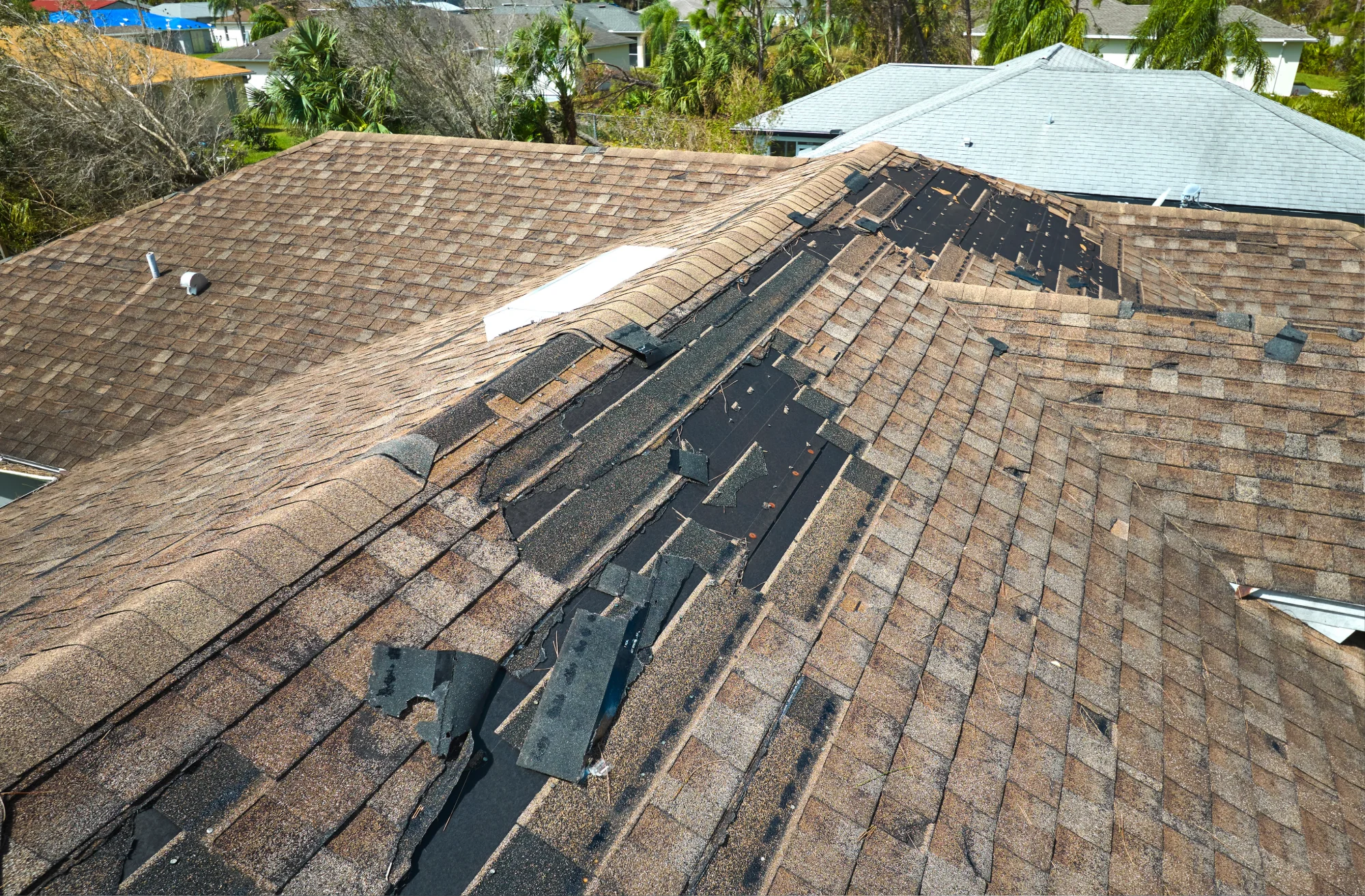
Quick Answer
Most homeowners have far less time than they think after a hailstorm. A professional inspection should happen within one to fourteen days of any hailstorm with hail size around one inch or larger. Most insurance policies allow six to twelve months to file a hail damage claim, but waiting more than thirty to sixty days weakens that claim. Once functional damage is confirmed, repairs or a full roof replacement should be completed within one season, since delayed hail damage tends to get worse rather than better.
Key Takeaways
- Schedule a hail damage roof inspection within one to fourteen days after any hailstorm with quarter-size hail or larger.
- Most homeowners insurance policies allow six to twelve months from the storm date to file a claim, but delays past thirty to sixty days raise red flags for insurers.
- Once functional damage or leaks are confirmed, plan to finish repairs or a full roof replacement within three to six months.
- Hidden damage like granule loss and cracked shingles can worsen for months before it becomes visible or starts leaking.
- Roof age plays a major role in how long a roof can safely wait after a hailstorm.
- Insurance deadlines often force a decision faster than the physical condition of the roof does.
- San Antonio's heat and storm frequency make delayed action more costly than in milder climates.
How Soon Should You Act After a Hail Storm?
A hailstorm rolls through, the yard shows a few dented gutters, and nothing seems to be leaking inside. Many homeowners stop right there and assume the roof is fine. That assumption is where the real risk begins.
Hail as small as one inch can damage asphalt shingles without leaving an obvious hole. Bruised or fractured shingles lose their protective granules well before any leak shows up indoors. A professional inspection within the first two weeks catches damage that is easy to miss from the ground.
A practical timeline looks like this:
- Same day to 72 hours: Walk the property and photograph dented gutters, broken shingles, and any hail still on the ground.
- Days three to fourteen: Schedule an inspection with a roofing contractor experienced in storm damage assessments.
Consider a late-spring storm that drops quarter-size hail across a San Antonio neighborhood. If those bruises are not documented before summer heat arrives, the damage often turns into roof leaks by midsummer, at a much higher repair cost.
How Much Hail Damage Justifies a Full Roof Replacement?
Not every hailstorm means a new roof. A few scuffed shingles on one slope is usually a repair. Widespread damage across multiple roof planes is a different story.
Roofing professionals and insurance adjusters often use a test square method, marking a ten-by-ten-foot section on each slope and counting distinct impact marks. Seven to ten functional hits within that area typically trigger a replacement recommendation. If a quarter or more of any roof plane shows damage, most insurance companies require replacing that entire plane rather than patching it.
Functional damage generally includes:
- Granule loss that exposes the asphalt or fiberglass mat underneath
- Cracked, punctured, or torn shingles
- Soft, bruised spots that give way under light pressure
- Missing shingles anywhere on the roof
Cosmetic marks, like light surface scuffs or minor discoloration, do not usually justify replacement on their own. Anyone considering a roof replacement after a storm should ask for a written breakdown of functional versus cosmetic findings before deciding.
What Is the Difference Between Functional and Cosmetic Hail Damage?
The distinction between functional and cosmetic damage often decides whether insurance gets involved at all. Functional damage reduces a roof's ability to shed water or shortens how long it will last. Cosmetic damage changes how the roof looks without affecting performance.
Examples of functional damage include exposed asphalt mat, cracked shingles, and soft bruised spots that flex when pressed. A dented vent cap with a hairline crack that lets water through also counts as functional. Cosmetic damage might include a small scuff on a metal panel that still sheds water correctly or light granule displacement that has not exposed the mat underneath.
To an untrained eye, a functional bruise and a harmless mark can look identical. That is why a general home inspection is a useful starting point, but a trained roofing contractor provides the detailed damage classification that insurance adjusters rely on most.
How Does Roof Age Affect How Long You Can Wait?
The older and more worn a roof is, the less time it can safely go without attention after a hailstorm. Roofs under five years old often have strong granule coverage and can tolerate minor hail damage a bit longer, making a short-term repair a reasonable option in many cases. Roofs between six and twelve years old usually show early granule loss, so fewer hail hits are needed before functional damage crosses the replacement threshold.
Roofs older than thirteen years tend to be brittle with a thin granule layer remaining. These roofs often need fewer impacts before replacement makes more sense than repair, and waiting more than three or four months after confirmed damage raises the risk of leaks and deck rot. Policy type matters here, too, since actual cash value coverage depreciates based on age, meaning a longer wait on an older roof usually means a higher out-of-pocket cost.
What Warning Signs Mean You Should Not Wait at All?
Some signs mean the decision has already been made. These point toward full replacement rather than a minor patch job, and they should prompt a call right away.
- Active leaks or new water stains on ceilings and drywall
- Sagging drywall or soft spots visible in the attic decking
- Large piles of granules collecting in gutters and downspouts
- Cracked or missing shingles across multiple roof slopes
- Dented gutters, cracked flashing, or bent vent covers
When several of these signs appear together, water is likely already getting past the shingle layer. That accelerates rot, mold growth, and structural damage to the decking underneath. Homeowners who notice any of these signs on their hail damage roof should treat it as urgent rather than something to monitor.
How Do Insurance Deadlines Limit How Long You Can Wait?
Even a roof that seems to be holding up is still bound by the insurance claim clock. Most homeowners policies allow six to twelve months from the storm date to file a claim, though some carriers set shorter windows between thirty and one hundred eighty days. Waiting longer than that can result in a reduced payout or outright denial.
Filing the claim and completing the repair work are two separate deadlines. Homeowners typically need to report damage quickly, even if the actual repair work happens over a longer stretch. Waiting too long can make it harder to prove that damage came from a specific storm, especially if another hailstorm hits before the first claim is filed. Reviewing insurance work guidance early, along with photos and dated inspection reports, gives homeowners the strongest position when working with an adjuster.
Short-Term Waiting vs. Long-Term Delay: What Is Reasonable?
Real-world scheduling matters. Roofing contractors are often booked solid after major storms, and homeowners need time to compare quotes and review their options. A short wait is normal. A long delay is expensive.
A reasonable short-term wait is two to eight weeks, as long as the roof is not leaking and any functional damage has been documented and is limited in scope. A risky long-term delay stretches into six months or longer, during which heat and UV exposure widen small cracks into real leaks. If a qualified roofer and the insurance adjuster agree that only a few shingles need attention, waiting for a dry window to schedule the work is reasonable. If several slopes show bruising and granule loss, repairs should be completed before the next major storm season arrives.
What Does a Practical Timeline Look Like After a Hail Storm?
A clear roadmap helps homeowners avoid decision paralysis after a storm. The first week matters most, but the full process typically plays out over several months.
- Days one to seven: Document the storm date, hail size, and visible damage with photos, then schedule a professional inspection.
- Weeks two to four: Review the inspection findings and, if functional damage is present, open a claim with the insurance provider.
- Months two to three: Compare the adjuster's findings with the contractor's report and decide between repair and full replacement.
- Months three to twelve: Complete the approved work, keep all invoices and photos, and schedule any required follow-up inspection.
Why Does Acting Sooner Matter in Hail-Prone Areas Like San Antonio?
San Antonio sees frequent hail combined with intense summer heat, a pairing that punishes damaged roofs faster than milder climates allow. A spring storm can bruise shingles that appear to hold up through April, only to crack open once temperatures climb past one hundred degrees in July.
Repeated storms in the same season can layer damage on top of itself, making it harder for insurers to separate one event from another when a claim is filed late. Contractor demand also spikes after major storms in this region, so homeowners who schedule inspections early tend to get on the schedule sooner and finish their work well within the claim window.
How Cloud Roofing Helps You Decide When to Repair or Replace
Cloud Roofing has served San Antonio homeowners since 1975, and hail damage inspections are one of the most common calls the team receives after a storm. Every inspection is free, with no pressure to commit to work that is not needed. The team documents damage on shingles, gutters, vents, and flashing using the same test-square methods insurance adjusters rely on, so homeowners get a clear answer on whether they are looking at functional or cosmetic damage.
For anyone navigating a claim, Cloud Roofing also helps meet with adjusters, explain the claims timeline, and walk through what the insurance company will likely require. Recommendations are based on roof age, hail size from the actual storm, and long-term plans for the home, not on pushing a replacement that is not necessary.
Ready to Find Out Where Your Roof Stands?
Waiting on a hail-damaged roof rarely makes the decision easier, and it often makes it more expensive. A free inspection gives homeowners a clear, documented answer before the insurance window closes and before Texas heat turns minor damage into a bigger repair. Contact Cloud Roofing today to schedule a free hail damage inspection and get straight answers about repair or replacement.
Frequently Asked Questions
Can I wait until next year to replace my hail-damaged roof if it is not leaking?
Waiting a full year after confirmed functional damage carries real risk, even if the roof is not actively leaking yet. Granule loss continues over time, and UV exposure widens small cracks month after month. Most insurance policies require filing within six to twelve months, so delaying past that window can reduce or eliminate coverage entirely. If a short delay is unavoidable, have a professional re-check the roof before the next major storm season and watch for early leak signs indoors.
Is a home inspector enough to evaluate hail damage, or do I need a roofer?
A home inspector can flag obvious issues like missing shingles during a general inspection, but a roofing contractor trained in hail damage provides the detailed impact counts insurers actually require. Anyone buying or selling a home after a storm benefits from using both. The home inspector covers overall property condition, while the roofer supplies insurance-grade documentation. Insurance adjusters typically look for specific impact counts per test area that a general inspection rarely captures.
What size hail usually means I should schedule an inspection?
Quarter-size hail, at roughly one inch, is where damage to asphalt shingles becomes likely enough to warrant a look. Golf ball-sized hail, close to one and three-quarter inches, tends to cause consistent damage across most roofing materials. Even smaller hail can still knock granules loose on older roofs, so any storm that dents vehicles or outdoor units is worth following up on. Checking a local weather report for confirmed hail size helps support any future claim.
Can hidden hail damage really show up months later?
Yes, and this is one of the more common surprises homeowners run into. Bruised shingles often look mostly intact right after a storm, but the mat underneath the granules has already weakened. Over the following weeks and months, sun exposure and temperature swings open those weak spots further. Documenting damage right after the storm makes it far easier to prove that later problems trace back to that specific event.
Will one more hail storm help or hurt my chances of getting a full replacement?
Additional storms do not work in a homeowner's favor. They make it harder for insurers to determine which storm caused which damage. Waiting through several hail seasons before filing gives an insurance company room to argue that damage is cumulative or related to age rather than one event. Filing a claim and scheduling an inspection after each significant storm keeps the record clean and gives homeowners the strongest possible position.