


Quick Answer
Yes, regular maintenance is essential for commercial flat roofs. Many common beliefs about flat roof care are misleading and can lead to leaks, drainage issues, and expensive repairs. With consistent inspections and proper upkeep, Texas businesses can extend roof lifespan, prevent storm damage, and avoid costly disruptions.
Key Takeaways
- Flat roofs need scheduled inspections to stay watertight
- Ponding water, cracks, and membrane damage often start unnoticed
- Proactive maintenance prevents expensive structural repairs
- Only trained commercial roofers should service flat roofing systems
Commercial flat roofs are designed for durability, long-term performance, and ease of access, but that does not mean they can be ignored. In fact, flat roofing systems require consistent oversight to prevent costly repairs, interior water damage, and business interruptions. Unfortunately, there are many misconceptions surrounding commercial flat roof maintenance, and those misunderstandings often lead to unnecessary expenses and early roof failure. Understanding the truth behind these myths can help property owners extend their roof’s lifespan and protect their investment.
Misconception #1: Flat Roofs Do Not Need Regular Maintenance
Why This Belief Exists
Many property owners assume flat roofs are low maintenance because the surface appears simple and easy to manage. This misunderstanding is often passed down from previous owners or managers who may not have kept up with recommended maintenance schedules.
The Reality
Flat roofs require routine inspections and preventative care. Issues like ponding water, membrane punctures, clogged drains, and deteriorating flashing can develop slowly and remain unnoticed until they become serious problems. Regular checkups help catch these issues early, long before they result in leaks or structural concerns.
Misconception #2: If It Is Not Leaking, It Does Not Need Attention
Hidden Issues Below the Surface
Many roofing problems are invisible during the early stages. Water intrusion often begins beneath the surface, where it can spread behind membranes or insulation without leaving visible signs inside the building.
How Proactive Inspections Save Money
Proactive maintenance helps prevent small issues from becoming major repairs. Semi annual professional inspections can identify early membrane failures, deteriorating seals, or minor punctures before they turn into expensive roof replacements or interior damage.
Misconception #3: Standing Water on a Flat Roof Is Not a Big Deal

Why Ponding Happens
Ponding often develops when drains become blocked, insulation sags, or HVAC units shift weight across the roof. These factors can disrupt the flow of water and cause it to pool on the surface.
Why It Matters
Standing water accelerates wear on the membrane and increases the risk of leaks. Over time, the weight of the water can impact the roof’s structure. If water remains on the surface for more than 48 hours, it is a sign that maintenance is needed right away.
Misconception #4: Any Roofing Contractor Can Service a Flat Roof
Specialized Knowledge Matters
Not all contractors have the training or experience needed to work on commercial flat roofing systems. These roofs are very different from pitched residential roofs and require specific installation techniques and materials.
Importance of Hiring a Qualified Commercial Roofer
Commercial systems like TPO, EPDM, modified bitumen, and PVC each need different repair methods and tools. Using the wrong sealants or poor installation techniques shortens the lifespan of the entire roof. Hiring a qualified commercial roofer ensures the work is done correctly and safely.
Misconception #5: Flat Roof Repairs Are Too Expensive, So It Is Better to Wait
Why Delaying Repairs Backfires
Putting off repairs may save money in the short term, but it almost always leads to bigger problems later. Small punctures can turn into major leaks. Damaged membranes can fail during storms. Even a minor issue can spread and affect structural elements of the building.
Cost Benefits of Preventative Maintenance
Early repairs cost far less than large-scale fixes or full replacements. Routine maintenance improves performance, reduces the risk of downtime for your business, and extends the life of your roof.
Misconception #6: DIY Fixes Are Good Enough for a Commercial Roof
Why DIY Solutions Cause More Harm
Commercial flat roofs can be dangerous places for untrained personnel. Using household products or incompatible sealants can actually worsen damage. In addition, DIY roof work often voids manufacturer warranties and increases liability.
When to Call a Professional
If you notice damaged membranes, ponding water, drainage issues, or interior moisture signs, it is time to call a certified technician. Professional contractors have access to specialized tools, compatible materials, and safety equipment that ensure high quality results.
Signs Your Commercial Flat Roof Needs Immediate Attention
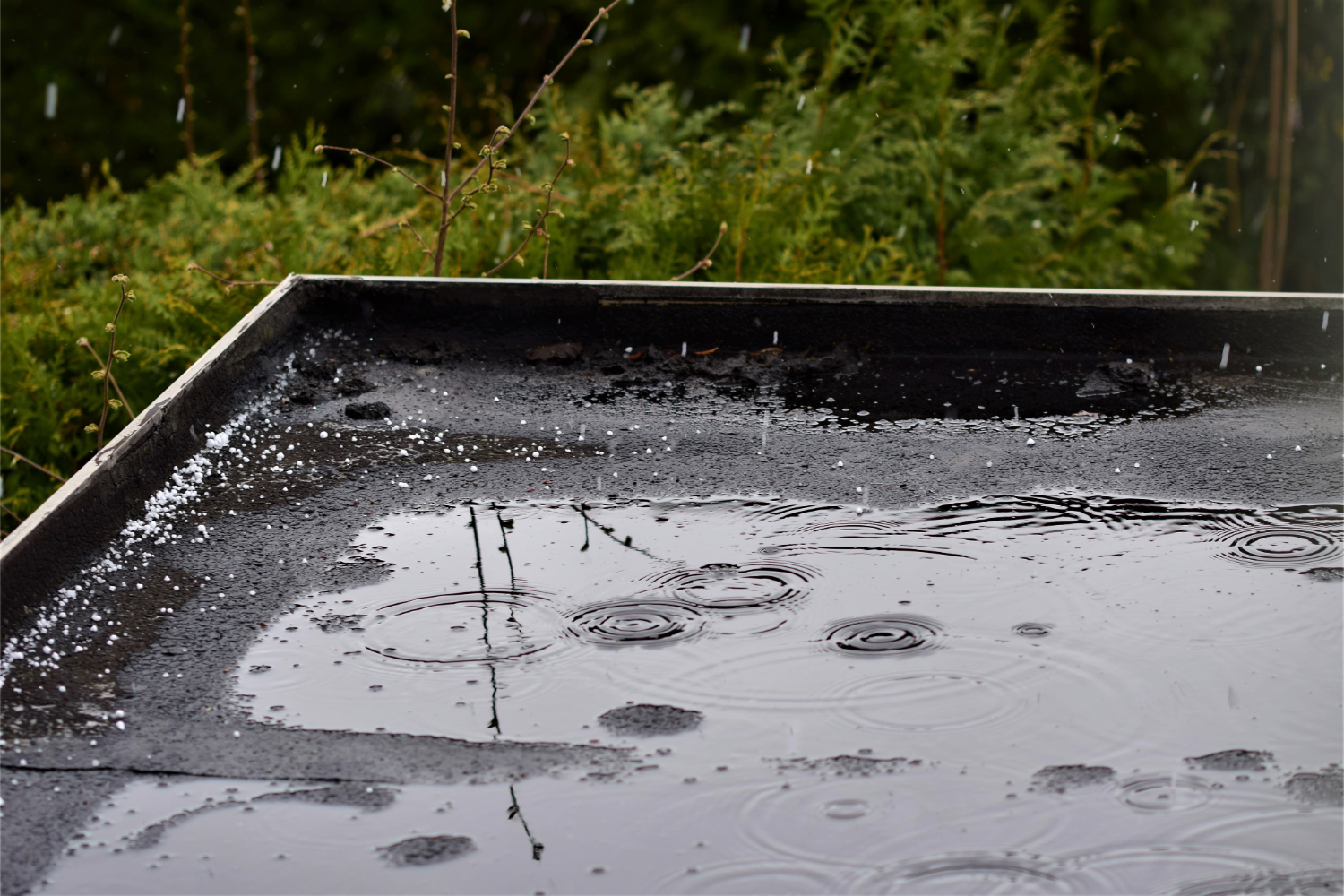
Even with regular inspections, certain warning signs indicate you should call a roofing professional right away. These include:
- Unexpected increases in energy bills, which can signal insulation issues
- Visible bubbling, blistering, cracking, or tearing in the membrane
- Persistent ponding water lasting more than 48 hours
- Interior moisture stains, odors, or peeling paint
- Clogged or slow draining rooftop drains
Addressing these problems early helps prevent widespread damage and protects your building from costly repairs.
Best Practices for Proper Commercial Flat Roof Maintenance
A successful commercial roof maintenance plan should include:
- Scheduling professional inspections twice a year and after major storms
- Keeping drains clear and removing debris regularly
- Monitoring areas around HVAC units and other rooftop equipment
- Maintaining detailed records for warranties and insurance needs
- Addressing small issues immediately to avoid larger repairs
These steps help maximize the lifespan of your roof and minimize disruptions to your business.
Take Care of Your Commercial Flat Roof with Help from Cloud Roofing
Commercial flat roof maintenance is often misunderstood, and these misconceptions can lead to expensive and avoidable problems. By staying proactive, scheduling regular inspections, and working with qualified commercial roofing professionals, property owners can protect their buildings, reduce long term costs, and extend the life of their roofing system.
If your commercial roof in San Antonio, TX, needs an inspection, maintenance, or repair, the Cloud Roofing team is here to help. Contact us today to schedule a free professional assessment and keep your property protected year round.